Grade 6 Survey Results

This cohort had 2 years of LEGO robotics.  Last year’s only had one.  Also, the unit was much more successful this year.  I did change the wording of the engineering question slightly this year to match another study sponsored by Intel so they can’t be compared exactly.  The answers key is:

  • SA – Strongly agree
  • A – Agree
  • NAD – Neither agree or disagree
  • D – Disagree
  • SD – Strongly Disagree
Grade 6 Survey Results 2012

Grade 6 Survey Results 2012

The interest in engineering appears much more positive than last year, which could be due to the change in wording, the more successful unit, or the more experience in robotics.  I also added an open ended question to explain their answer to the “interest in engineering” question.  Many six graders answered that they liked engineering but were interested in other careers.  Some were interested and described it as cool, that they are really interested in technology, or, in one case, as a good way to make money.

I forgot to give the presurvey this year so I can’t compare before and after.

Someone asked for last year’s results so here they are.  Though we can’t compare them directly, it is clear there was a much more positive attitude towards engineering this year.

G6 Chart 2011

G6 Chart 2011

Posted in Child Development, Research, Robotics, Technology | 3 Comments

First Year of Case Study – Observations

I saw some interesting things in the first year of the seven-year longitudinal case study of engineering skills of young children from grades K to 6.  Each year, they will be given a variety of materials and be asked to design an amusement park ride.  This year, I observed 9 kindergarten aged children performing the task.

The first thing to note was that 7 of 8 children choose to use LEGO blocks to construct their rides.  A few children were very interested in using the motors and sensors.  However, I decided not to bring laptops, which would be needed to do so, because they have not used LEGO WeDo materials in school yet.  One very creative student used mixed materials, combining craft materials with LEGO materials.  I had a difficult time getting this student to leave.  He said that he could have stayed all day.  I have noticed this student previously during indoor recess very engaged in similar project using craft materials.

I noticed that many of the children engaged in self-talk as they built.  Most were quiet initially but started talking as I gently asked questions about what they were doing.  The self-talk varied from pragmatic (centered around their building) to fantasy talk (centered around a drama that the building supported).  This made me wonder about the importance of self-talk during building and how it changes over time.  Does it change from fantasy to pragmatic self-talk over time?

The range of products was quite remarkable for 5 and 6 years olds.  There were 2 projects with sophisticated gear trains while other did not have moving parts.  See photos below.

I learned quite a bit about the logistics of such a project.

  1. Make sure the video camera is optimally positioned before starting.  Don’t be afraid to move it.  The amount of disk space required and processing time to fully videotape everything is very large.  I will probably try to an external hard drive just for this project.
  2. Take a bird’s eye view and 4 side views of each finished project.
  3. Make sure each project is fully taken apart before the next student comes in.  [It would be great to be able to save them but that would detract from the parts for subsequent students.]
  4. Be careful how you introduce the task.  Don’t feed examples of rides unless absolutely necessary.  Be clear that rides can be based on real rides or made up.
  5. Be careful that all materials are equally accessible to the student.
  6. I did see that the level of fine motor skills at this age could be frustrating to students in that it was difficult, at times, to realize their ideas easily.
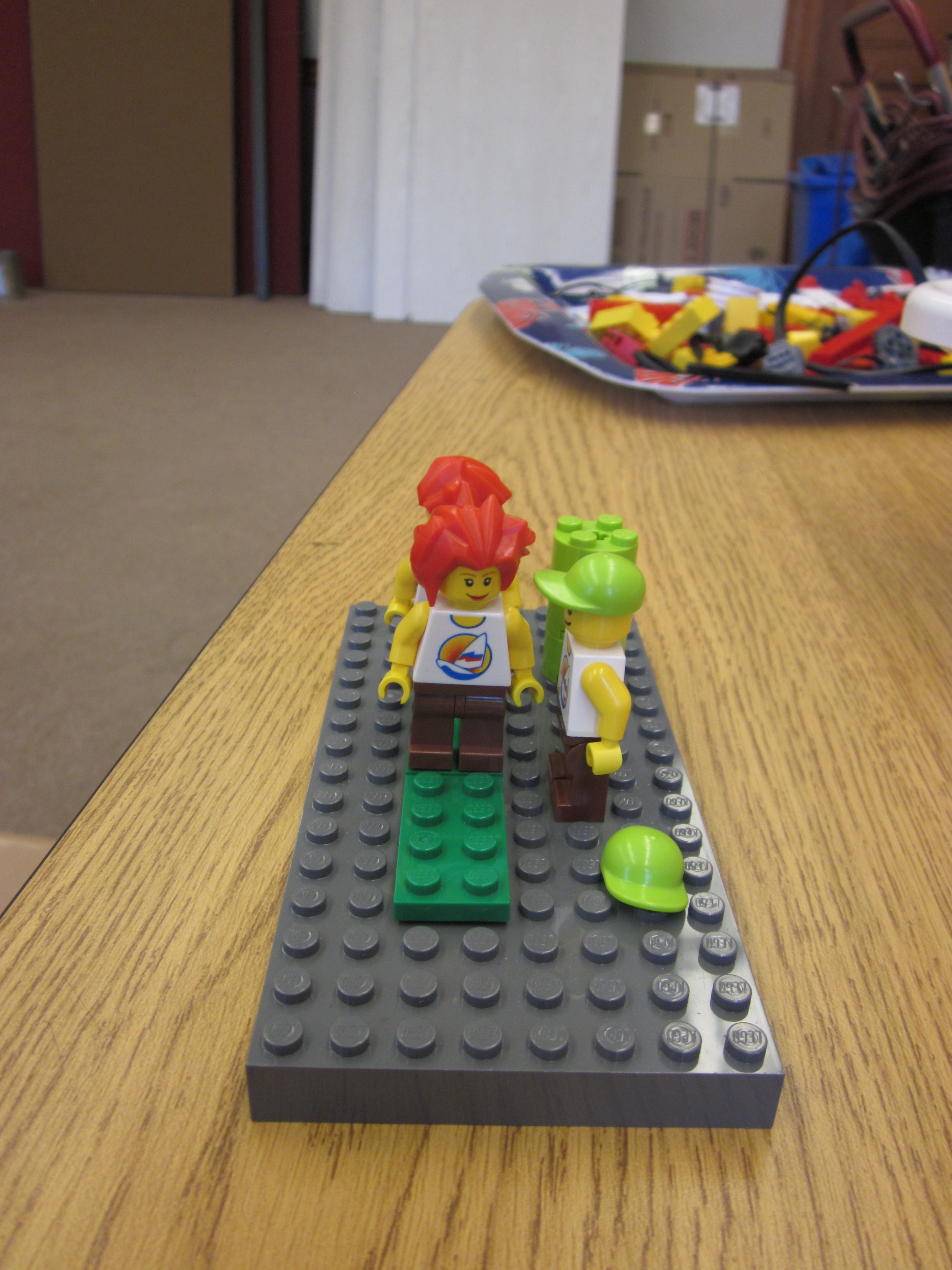
 

Ride Line
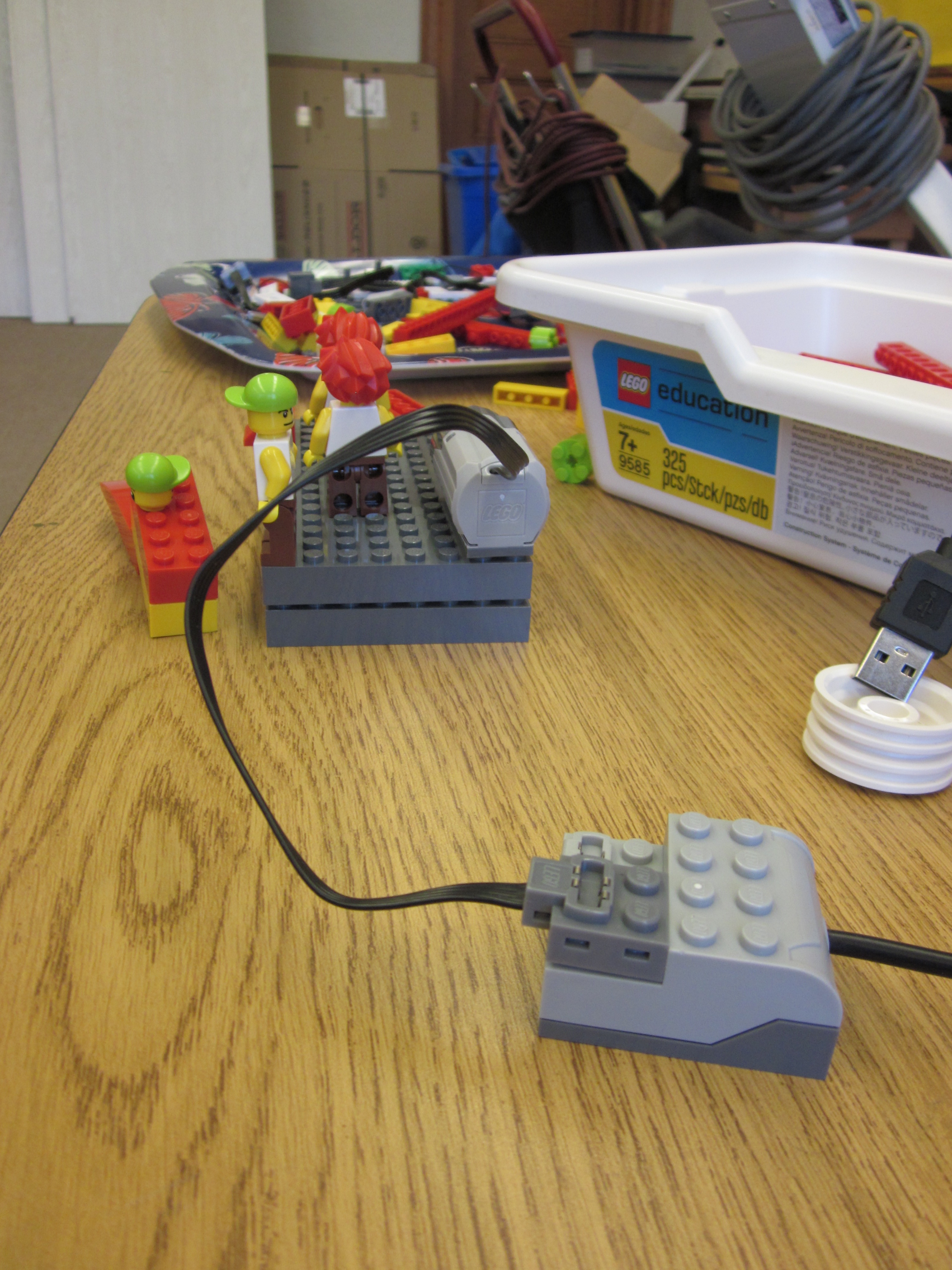
 

Fun House
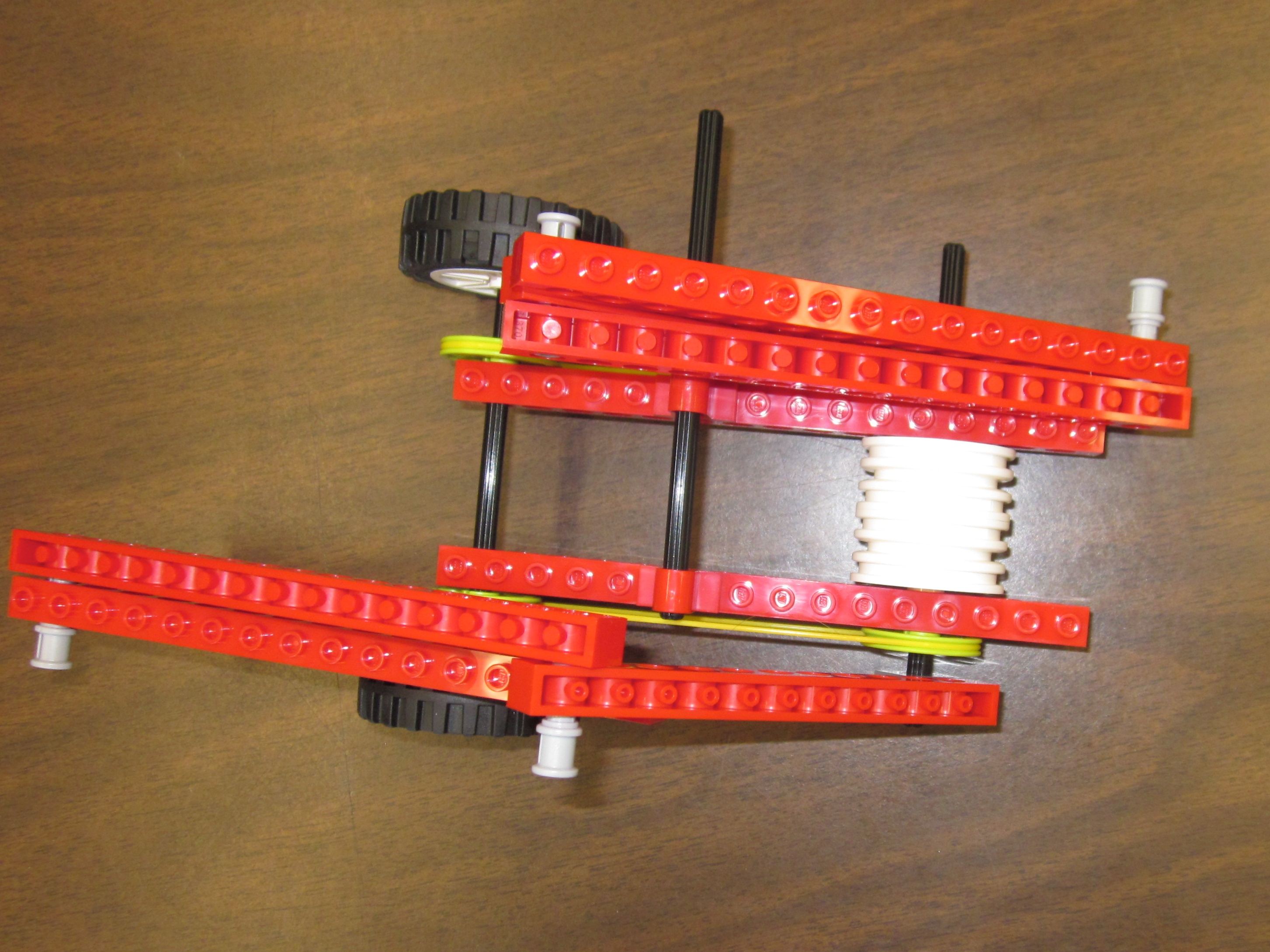
Ride with Crane
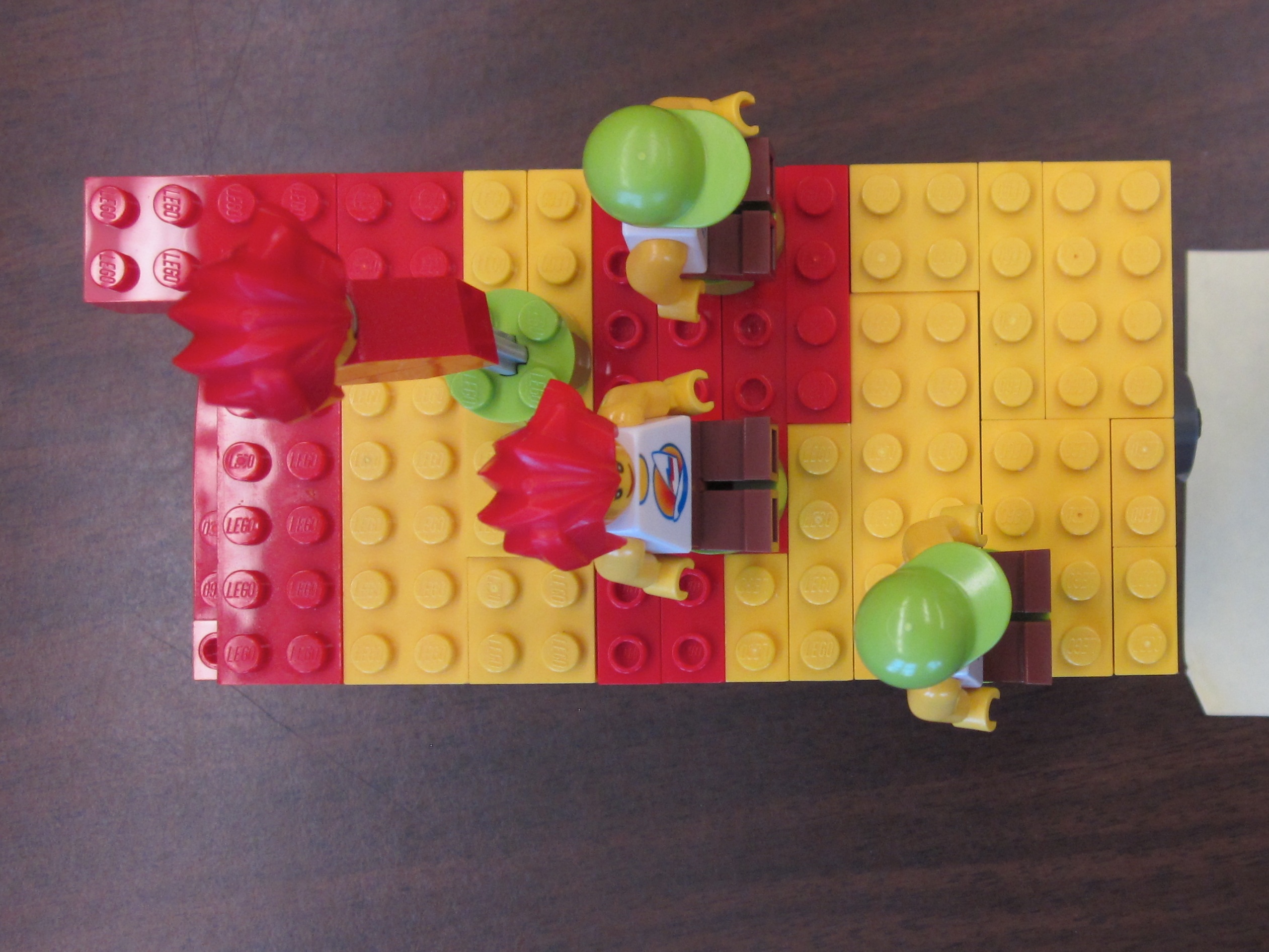
Horse
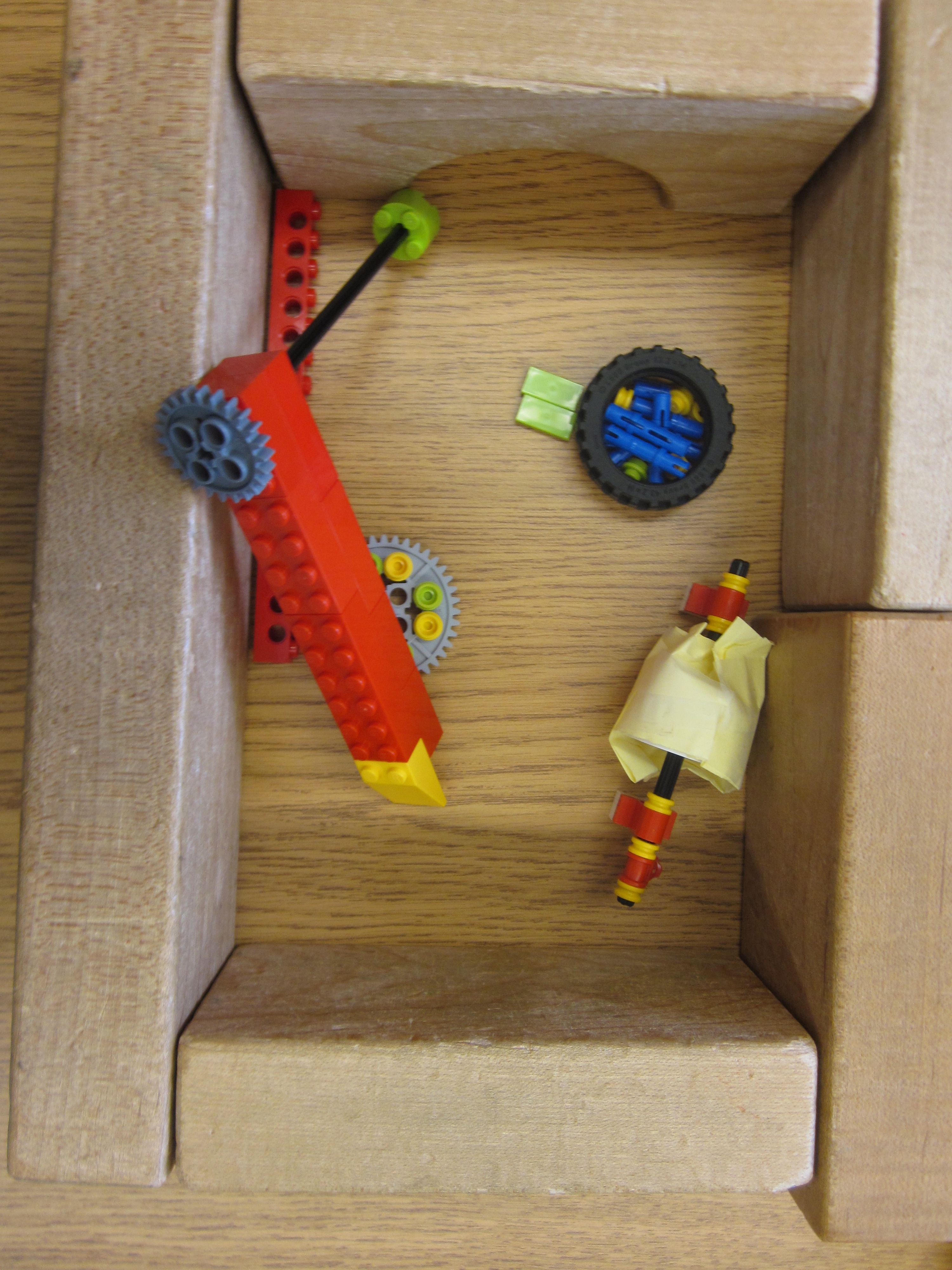
 

Park

Slide
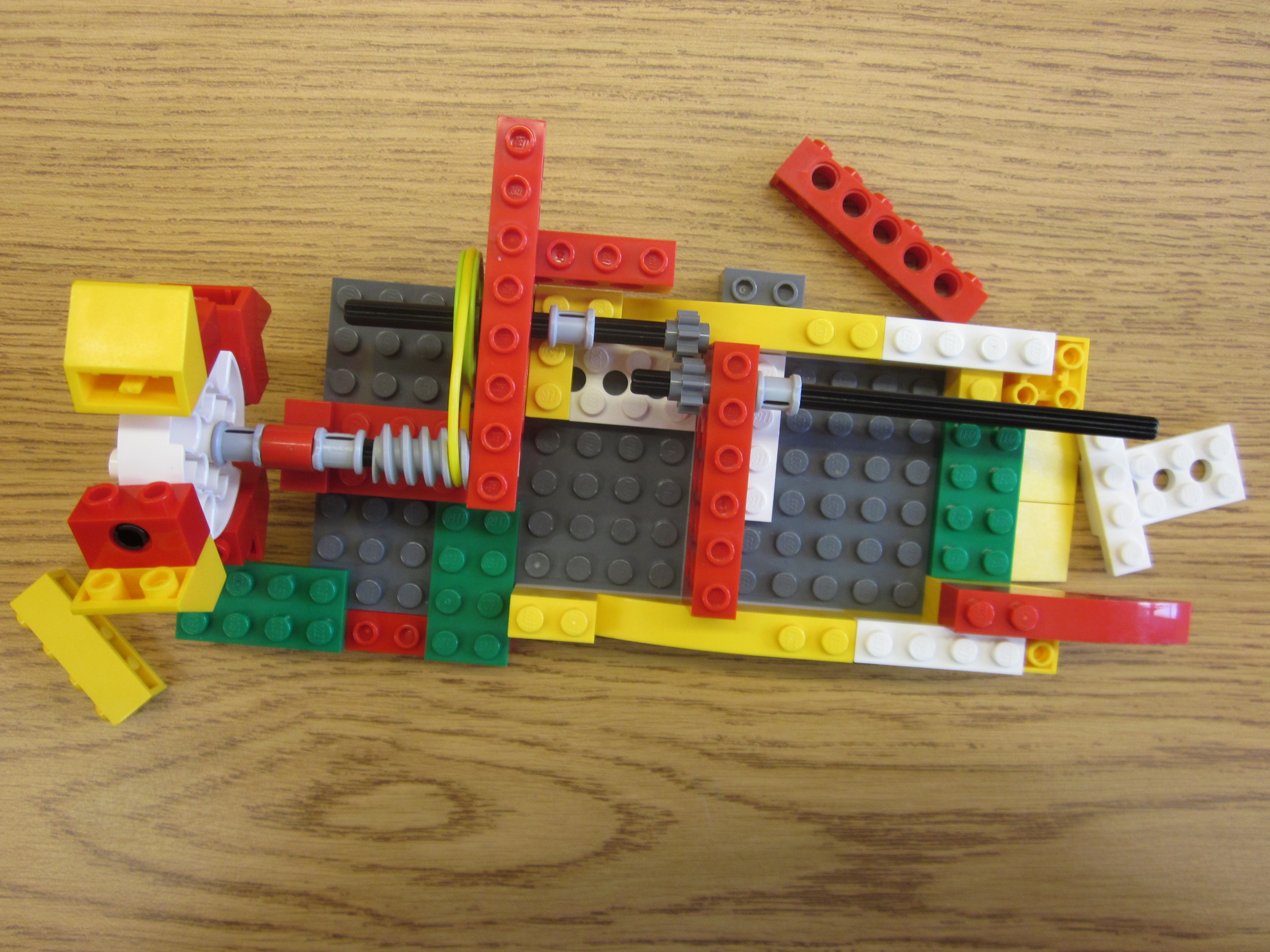
Ferris Wheel
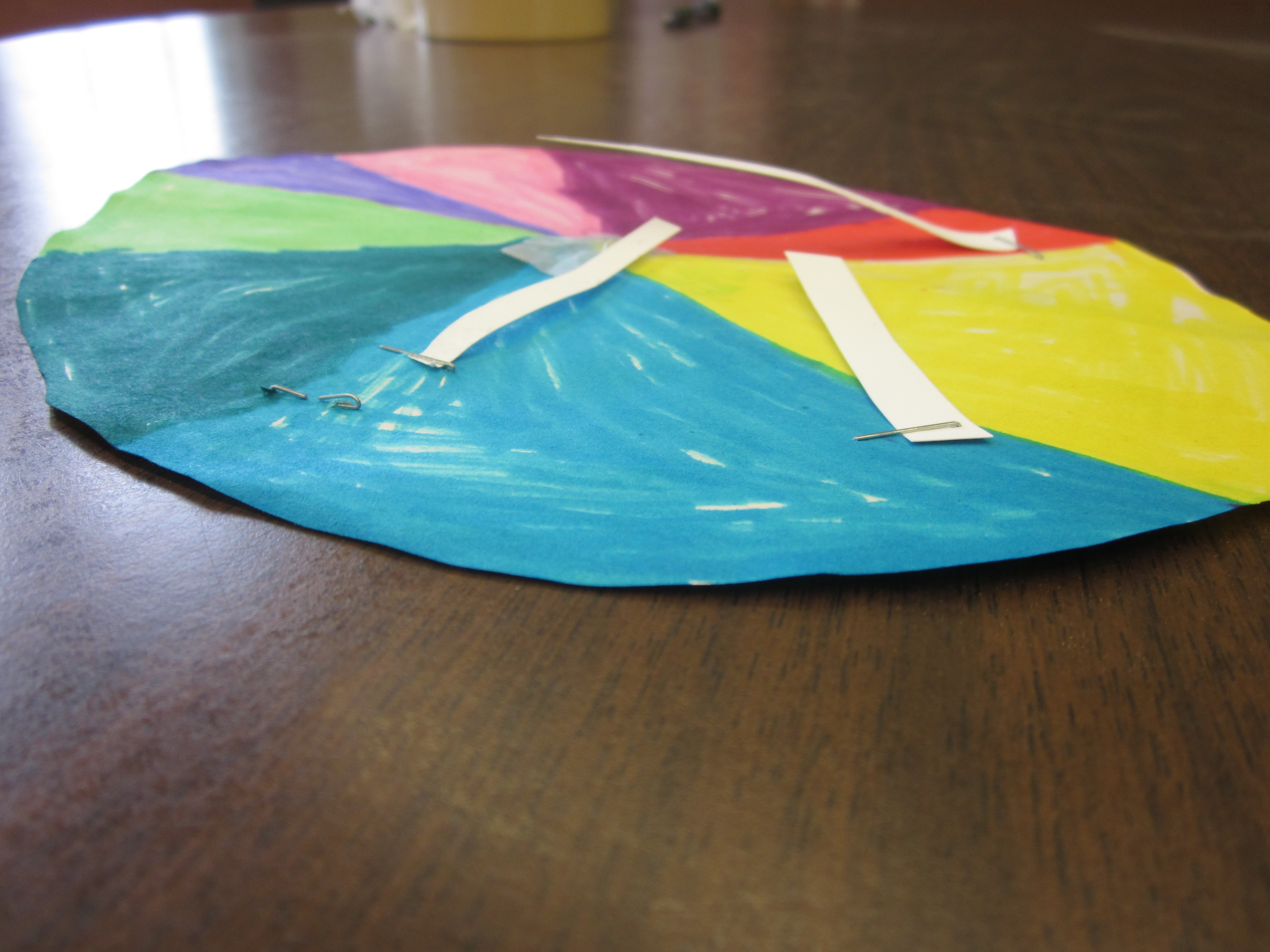
Swing

Merry Go Round

 

Posted in Child Development, Research, Robotics, Technology | 3 Comments

Teacher Interview – How Is Robotics Different Than More Traditional Activities?

I found this grade 5 teacher very inspiring in her willingness to try something new.  Her experience with robotics was obviously very affirming to me  because what I have been trying to do is having an impact on teachers and students.

Posted in Robotics, Teaching, Technology | 2 Comments

Effects

I am going to judge a robotics competition in Ashburnham today. I think it will be very gratifying to see what they are doing from the grant I started a few years back. Sometimes, when you do professional development for teachers, you never get to see the effect it has.

Posted in Uncategorized | Tagged , | Leave a comment

Science Fair Take Apart Center

Students excitedly take apart old computers at our 2012 Williamsburg, MA Science Fair and learn about computers in the process.

Posted in Child Development, Teaching, Technology | Leave a comment

Sixth Grade Dragster Robots

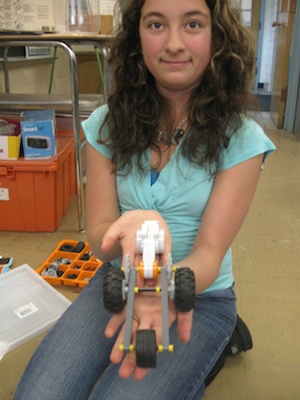
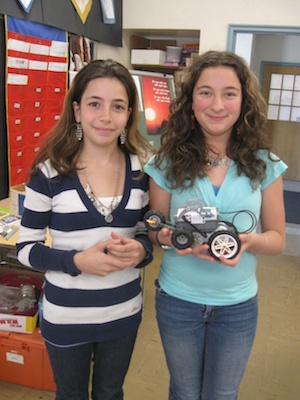
Check out the level of excitement of Tori and Bella as they used some great teamwork and engineering to produce a really fast robot dragster using 3 chained gears.

Posted in Child Development, Robotics, Teaching | Leave a comment

Kindergarten Estimation and Measurement with BeeBots

We have a great estimation and measurement lesson for K kids that uses BeeBots.  Kids first estimate the distance between two marks of some kind (I use masking tape).  There are a number of these around the room (usually 8 or 9).  The lesson works great and it is so exciting to see students start to estimate the BeeBot steps needed to get from point A to point B.  They will estimate visually, use their hands, and use the BeeBots to estimate.  The difficulty has always been capturing their work.  I like to be able to see how they did on their estimating and measuring after the lesson is over.  It’s hard to check in with the whole class during the actual lesson, especially repeatedly.

Kids have had trouble with the workpaper I created for them.  It looks like this.


Here’s the new and improved paper.

I hope the new formatting will make the writing task much easier for kids.

Posted in Child Development, Robotics, Teaching | 4 Comments

More Curriculum Updates

I updated the PK and K curriculum maps.  There were some minor mistakes and a non-optimal order for K.  See the Resources Page for new downloads.  I updated the complete PK-6 map too to include the PK and K changes.

Posted in Robotics, Technology | Leave a comment

New and Updated Resources Available; Book in the Works

I updated the Resources Page to include Tech Tips and a separate Teaching Tips documents.  Also, I have updated the Grade 6 curriculum map. See previous post for why but basically I simplified the open-ended challenge and it works much better!

In other news, I finished the first draft of a book on elementary robotics.  I started to write a paper and just could not stop.  I am very excited about this project and hope to say more soon as I am looking at different publishing options right now.

Posted in Robotics, Teaching | Leave a comment

Dragster Design, Part 1

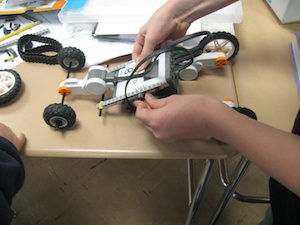
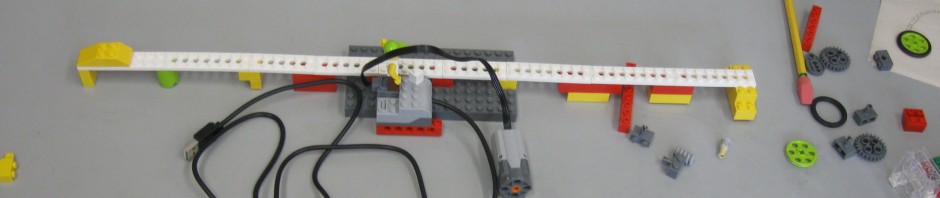
We had an extended sixth grade class today.  Students were challenged to design and build the fastest robot car they could.  Last week, the measured the velocity of the standard robot car built from the LEGO directions.  Those went about 1 foot/second at 75% power and about 1.25 ft/sec at 100% power.  We discussed ways to make faster cars especially since we can’t get a faster motor. Ideas they had were to make lighter, to change the tire size, and to use gears.  The latter had to be strongly emphasized by me and reviewed.  This class has only 2 years of robotics experience and did not experience gears and gear ratios like the current kids coming up.  I hope this will not need as much direct instruction in future years.

I was excited to give them the LEGO NXT Resource Kits this year, which have tons of extra parts including many interesting gears, tires, and wheels.  There was a lot of rebuilding, which is normal, as kids discovered how to build a car without directions.  Many teams made cool cars but did not really pay enough attention to the goal, to make a faster car.  Some thought a bigger wheel would make the car go faster.  I’m not sure but I think it’s the same if the speed of the motor is the same.  Smaller wheels will turn faster but also not cover as much ground.    You can make a faster car by having the motor drive a large gear, which then drives a smaller gear, which then drives the wheel.


Two teams were able to have a testable prototype today.  The first car went at 1.43 ft/second and did NOT use gears to make the car faster.

The second team successfully used gears to increase the speed.  Their car is called Lightning.  The team was so proud when I announced to the class that they now held the speed record of 2.5 feet/second!  It really booked right along.  Made me feel really good to see them so happy.  I was also pleased that I seemed to have finally gotten the open-ended challenge for grade 6 right.  The one I had last year had some problems (too hard, took too long).

Can’t wait to see what next week will bring!


Posted in Robotics, Teaching, Technology | 2 Comments