It’s always nice to get good feedback. Some things that stood out to me.
- Learning all the students names and something about them is very impactful and I had 40 students so it took a while but was worth it. Be kind to your students! They appreciate it more than being strict, harsh, or impersonal. Have clear expectations but be flexible. If you observe a student having issues, reach out privately and pro-actively.
- Students work hard for you if they feel seen and if they are having fun and engaged.
- Creating a warm and welcoming sense of community is also very impactful and enables students to feel safe.
- Providing real example from my K-12 teaching was beneficial to students.
- Enagagement via group projects, shared docs that are displayed, think-pair-shares, table shares, etc is really appreciated and students report it helped their learning.
- Having real life aspects such as social media campaigns, using non-class family and friends for subjects, etc further increases student interest and motivations as well as student choice in customizing their projects.
- Students really benefit from feedback before turning is projects as well as direct, individual feedback, and whole class feedback after projects have been assessed. Allowing students to revise work is appreciated but more importantly encourgades student to revise and view their work as real and not just grunt work.
- Students want to come to class and miss coming if it’s fun, engaging, and educational.
- Practice what you preach. So for this digital apps class, model effective teaching and learning with Digital Apps.
Here are some selected quotes in italics.
I think I will remember many things. First I will remember that I had the first professor in college that I genuinely viewed as a person not just a lecturer. Second, the first professor who made me feel seen as a student and a person, not just a body in a seat. Thirdly, I will remember that working with others does not have to be a negative experience. I will remember all these things forever!
I also learned from Dr. Heffernan’s experiences that your job doesn’t have to stay constant. If you have an expertise in something you can do many different things! This reminded me that my “future” doesn’t end once I get one job and I can always change up my job if I need to.
I really looked forward to this class this semester and am sad it is over. The activities were very fun to me. I thought it was very cool to see the real-life examples of students from your elementary classes utilizing these digital tools.
I thoroughly enjoyed this class and my time with you. I recommended this class to many of my friends because we did a lot more than just listen to a lecturer which I value a lot. It was a great class and I hope to use everything I learned in the future.
I had an easier time applying mental effort because of the environment of the class and professor. The projects were fun as well.
Yes. I actively sought out feedback especially from Professor Heffernan. His feedback was quite useful because it helped me realize how to go in the right direction. Sometimes I would be missing key information that he would remind me and offer ways to implement into the project. I found this very helpful. Some professors do not give much feedback, but Professor Heffernan did.
I also always felt like I could ask Dr. Heffernan for help because he is so welcoming. This made it easy to ask questions and also clear up any confusion very easily. I also appreciated his commitment to his students in this sense because he would always look over our work or answer our questions if we asked.
I thought the class was informative and fun. I really enjoyed the professor and the amount of work and effort he put into this class. Thank You!!
I really enjoyed the feed back that was given throughout the course especially before submitting projects.
All assignments were explained very well and Dr. Heffernan made it clear that you could always go to him if you wanted more help. His openness and kindness made the class feel safe and I never felt nervous to ask a question. The way he taught class with the slides was very well done and I truly learned a lot. You could tell that Dr. Heffernan really cares about the topics and also his students.
You were a great teacher that I genuinely cared to listen to. Also the first teacher I have had in college that has cared to learn our names.
In ten years I will remember this class to be easy going. I will probably not remember some of the exact lessons or tools, however features of tools that I continuously used moving away from this class will be remembered. For example, I had never inserted a video into google slides, or added a hyperlink with writing before this. I will remember the people I had the class with. I will remember the kindness of the people in class and the professor.
I thought this was a very fun class and I learned a lot from the professor. I thought he put in a lot of effort into making the lessons and getting the class to be engaged.
I thoroughly enjoyed this class and my time with you. I recommended this class to many of my friends because we did a lot more than just listen to a lecturer which I value a lot. It was a great class and I hope to use everything I learned in the future.
I think I will absolutely remember the methods of teaching that were employed. I had a great experience as a student in this course. I think it is so interesting how the tools we discussed in the course were actually used by us in the class so that we could perceive them from both the student and teacher points’ of view. If I want my students to feel as engaged in this course as I did, I will have to employ similar tactics of getting them to participate with each other and me. I think I’ll just definitely remember the fact that I feel as though I have learned so much in this course, as opposed to merely going through the actions of schooling.
I truly loved this class a lot. I think it is not at all what I expected an education course to be like; however, it is almost exactly the kind of course I had been looking for, even before coming to UMass. Every class period felt too short, all the projects and discussions felt really engaging and personal. I am really glad I took this course and I have recommended it to almost all my friends at this point.
I really enjoyed this class a lot and appreciated the professor’s understanding and kindness throughout the semester. Thank you for such a great course!
Because my professor told me what I could do better, he also gave me an opportunity to increase my grade which I took full advantage of.
I truly believe I achieved all of these objectives. Prof. Heffernan is a great professor. I never even knew half the ideas we would learn in this class. I am just an education minor, and this was my first education class. I think it was a great class to start my journey off on.
I think I will remember the professor himself the most, and my friends. I think the professor was a very memorable person.
I appreciate how much you engaged with and thought about us as a class this year. Thanks for a great semester!
I truly loved this class a lot. I think it is not at all what I expected an education course to be like; however, it is almost exactly the kind of course I had been looking for, even before coming to UMass. Every class period felt too short, all the projects and discussions felt really engaging and personal. I am really glad I took this course and I have recommended it to almost all my friends at this point.
I will especially remember the classroom environment though. This course was based on talking with peers and group work, which is a better method of learning for me. I never felt restricted to not talking, because it was such a welcoming environment. One day, when I have my own office in a school, I hope to replicate that same welcoming feeling that I felt every day in our class.
I really enjoyed this class and I think the physical environment of the classroom was really beneficial to my growth as a student in this course. I felt I was severely missing out every time I had to miss class.
I think just how connected the class felt, as a whole and with our professor. It felt like we were all taking to real people that enjoyed what they were learning so it was awesome to experience an environment where everyone actually wanted to learn more about what we were doing.
In 10 years, what I will remember about this class is how fun it was to learn all of the material. This has been the most engaging class I have taken in my undergraduate career at UMass. All of the assignments were very purposeful and promoted understanding of course material, unlike other assignments I have had in different classes that felt like busy work. The projects in this course allowed me to fully grasp the information conveyed in class activities and homework assignments. The feedback I received was also effective and enabled me to improve my future projects.
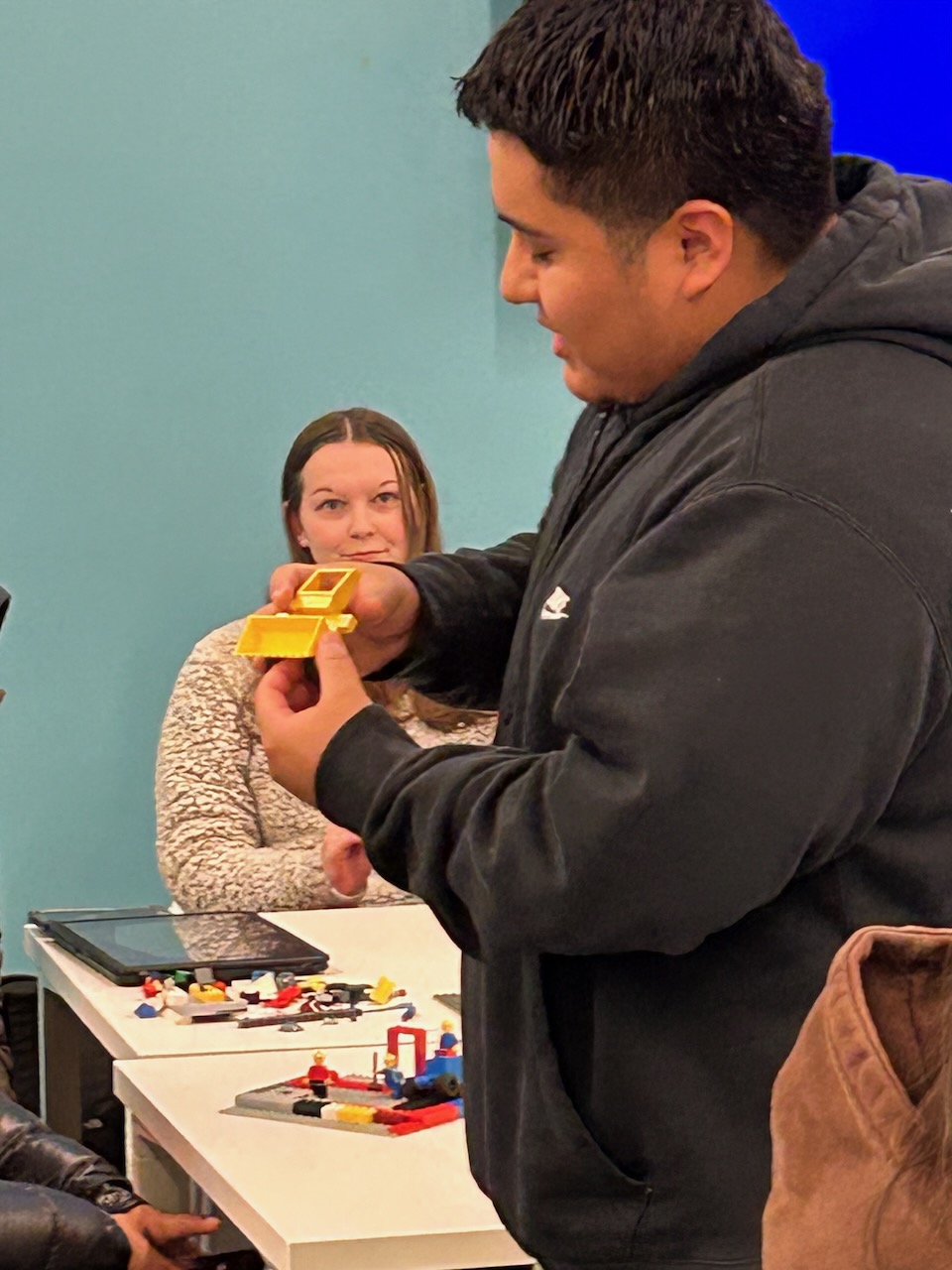
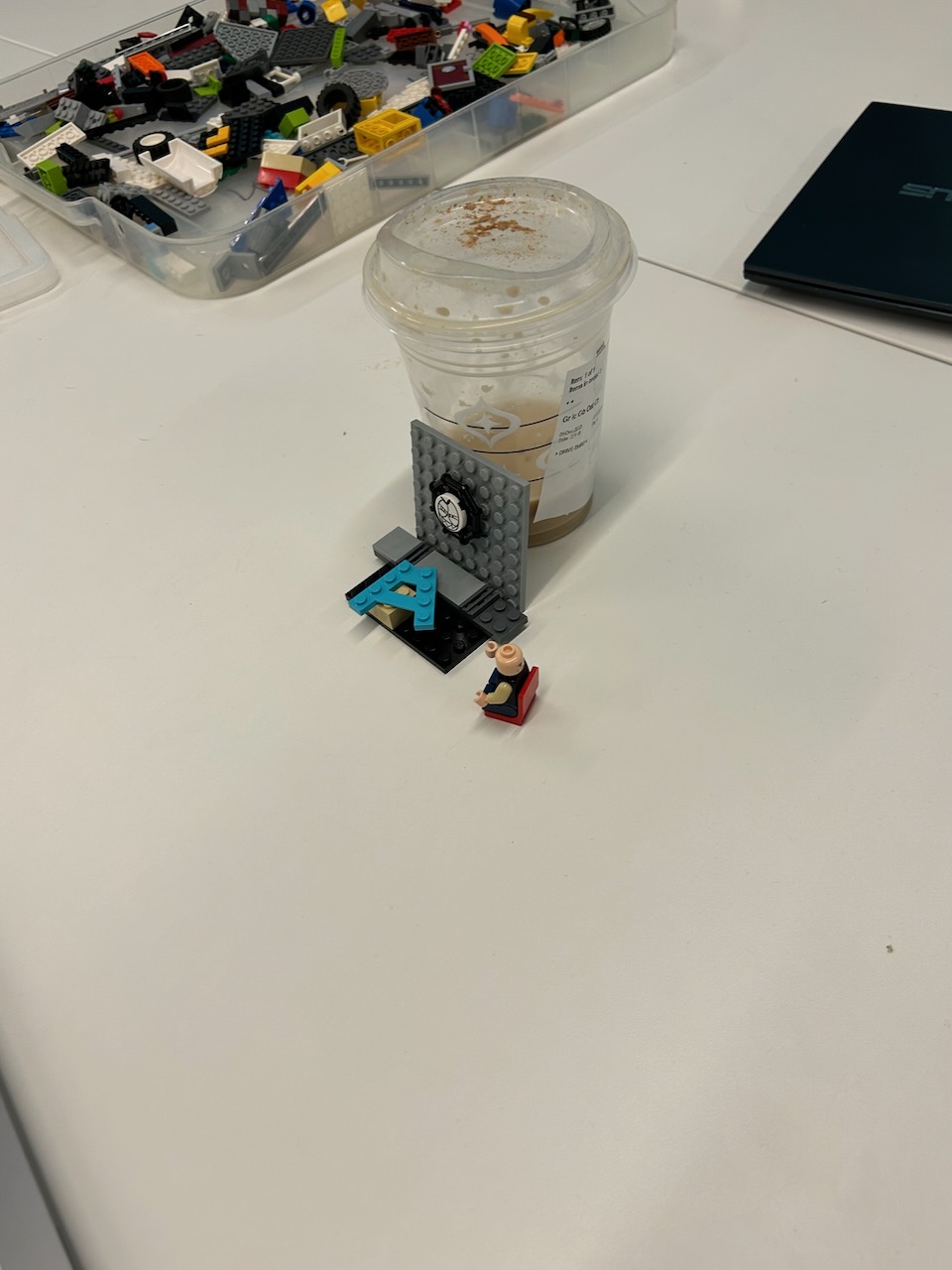
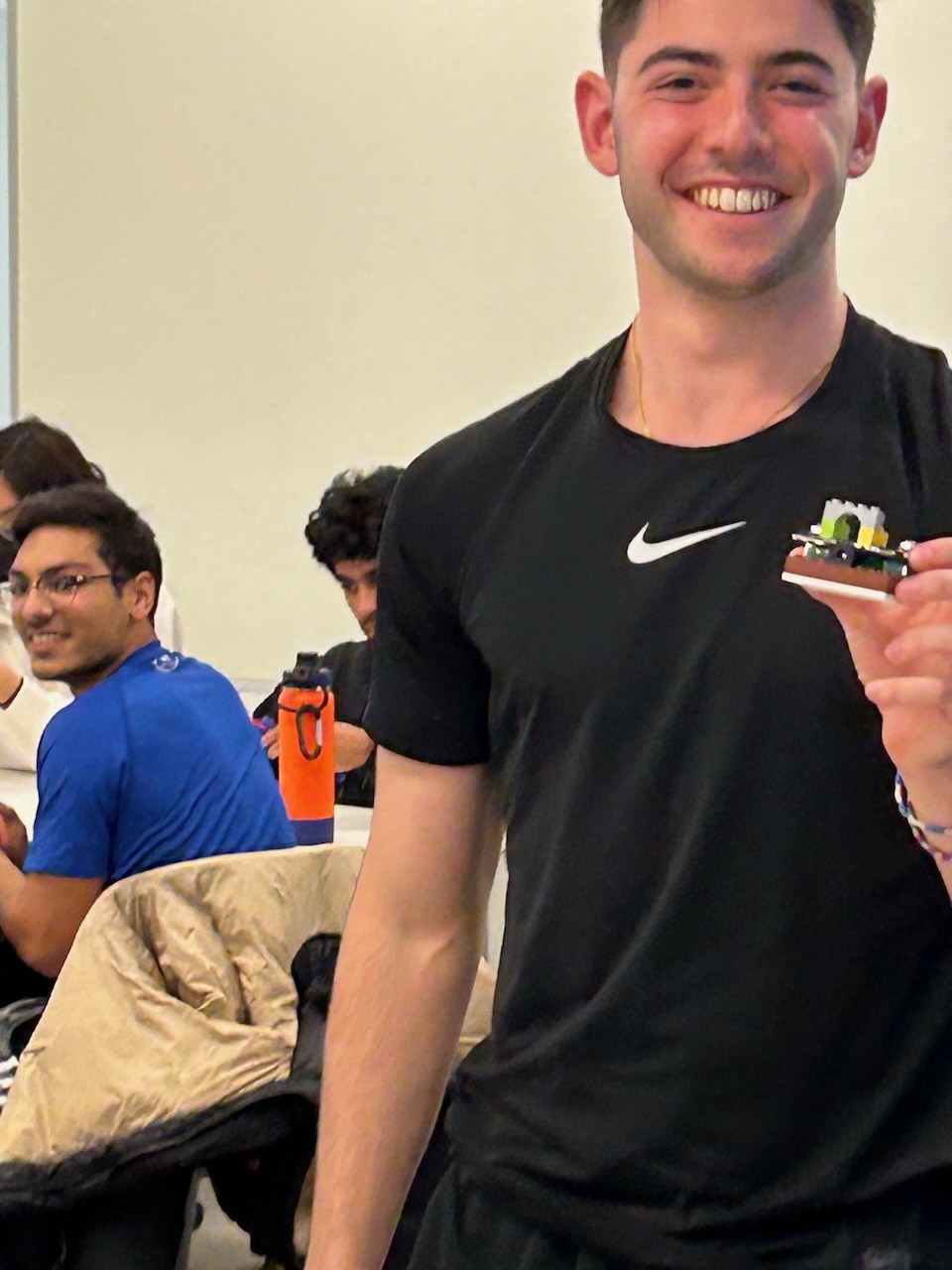
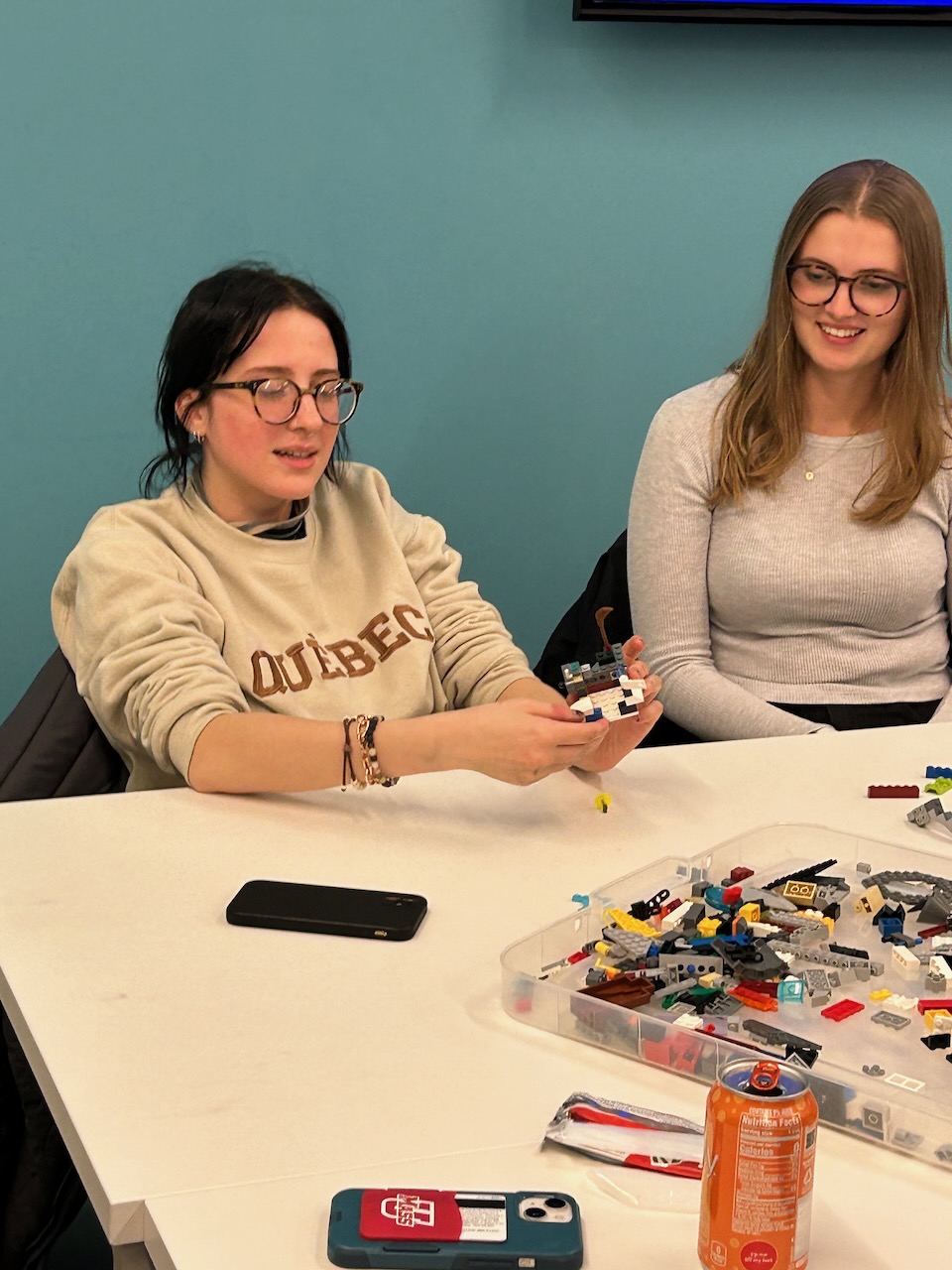
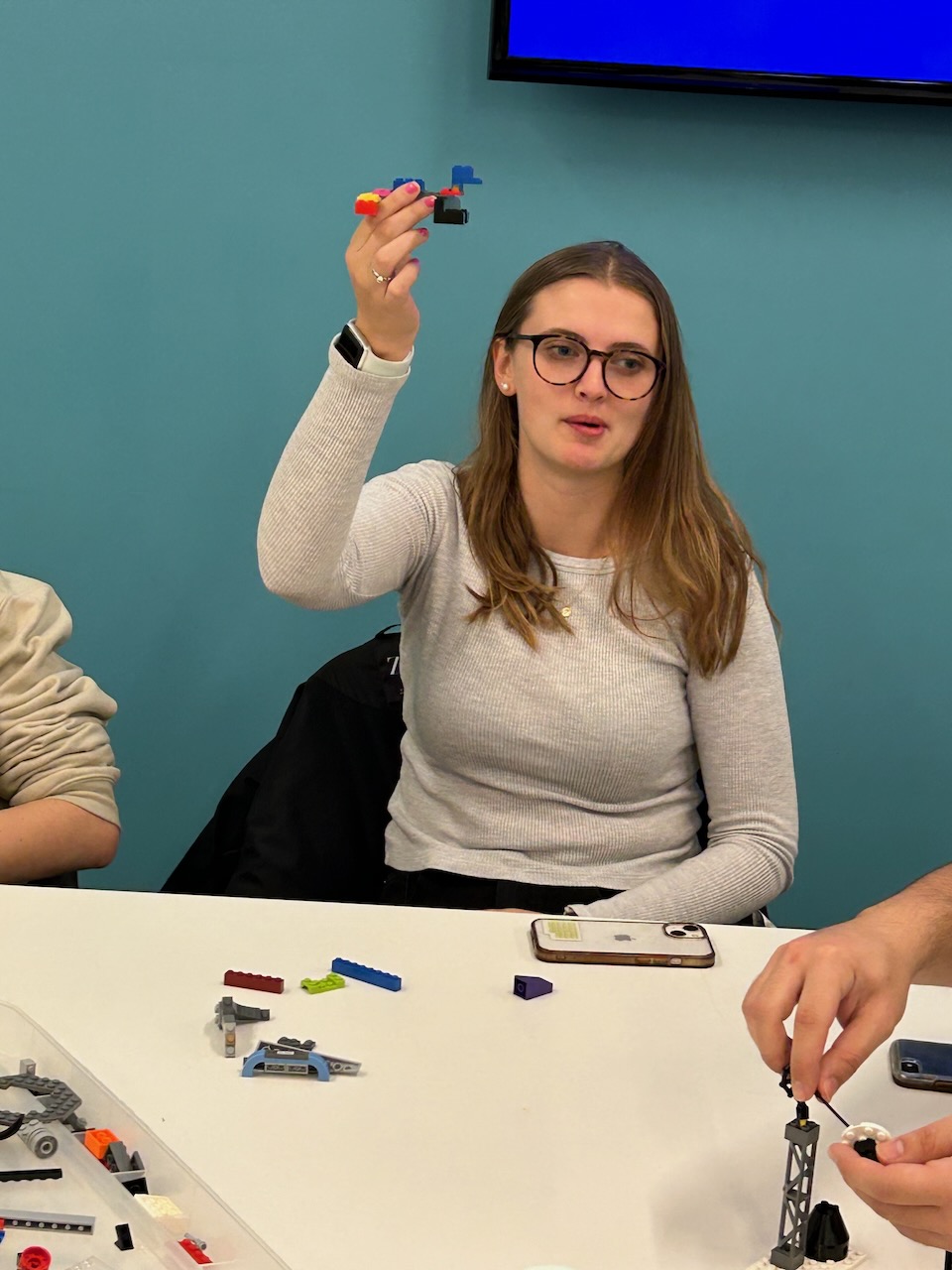
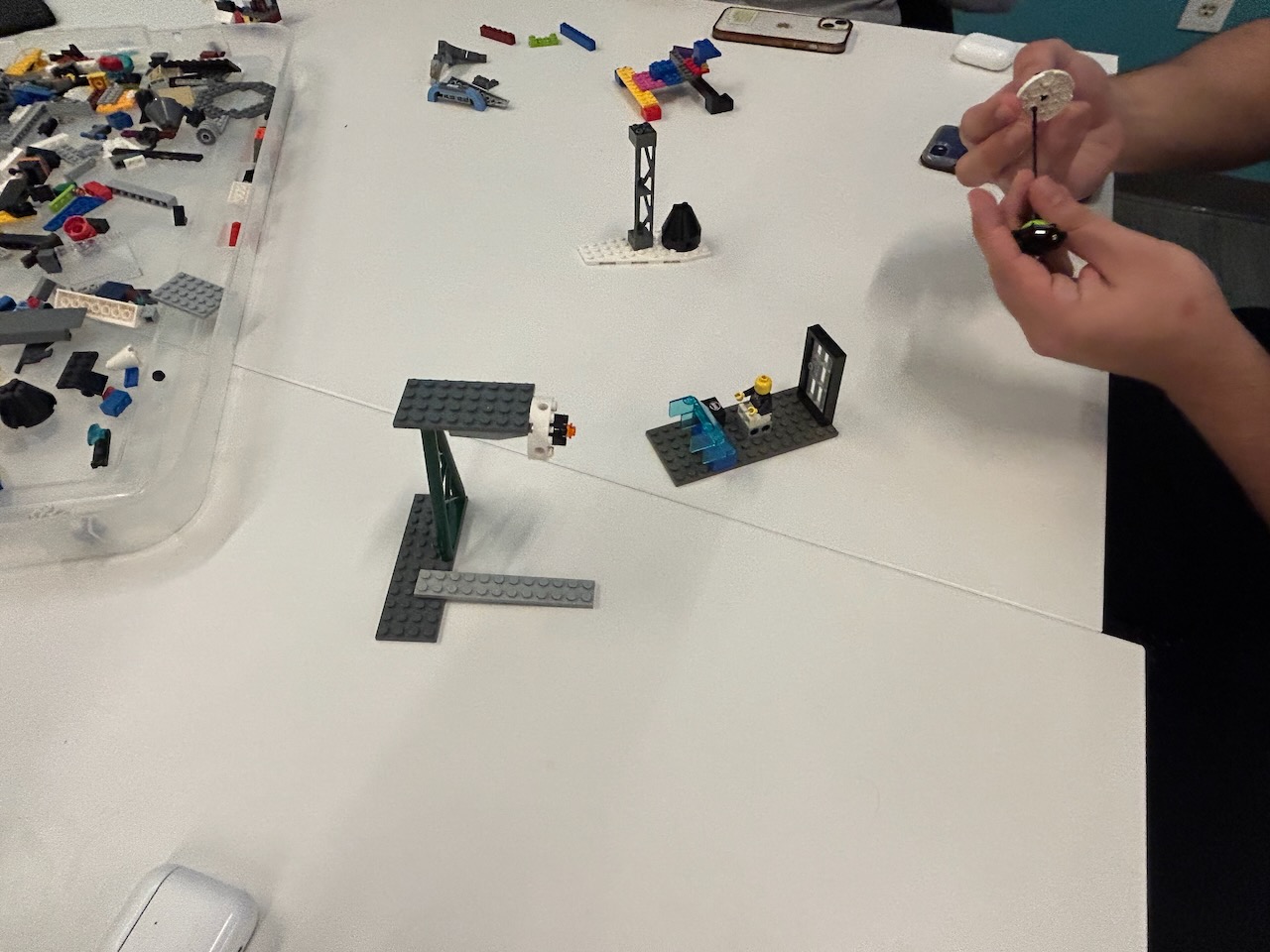
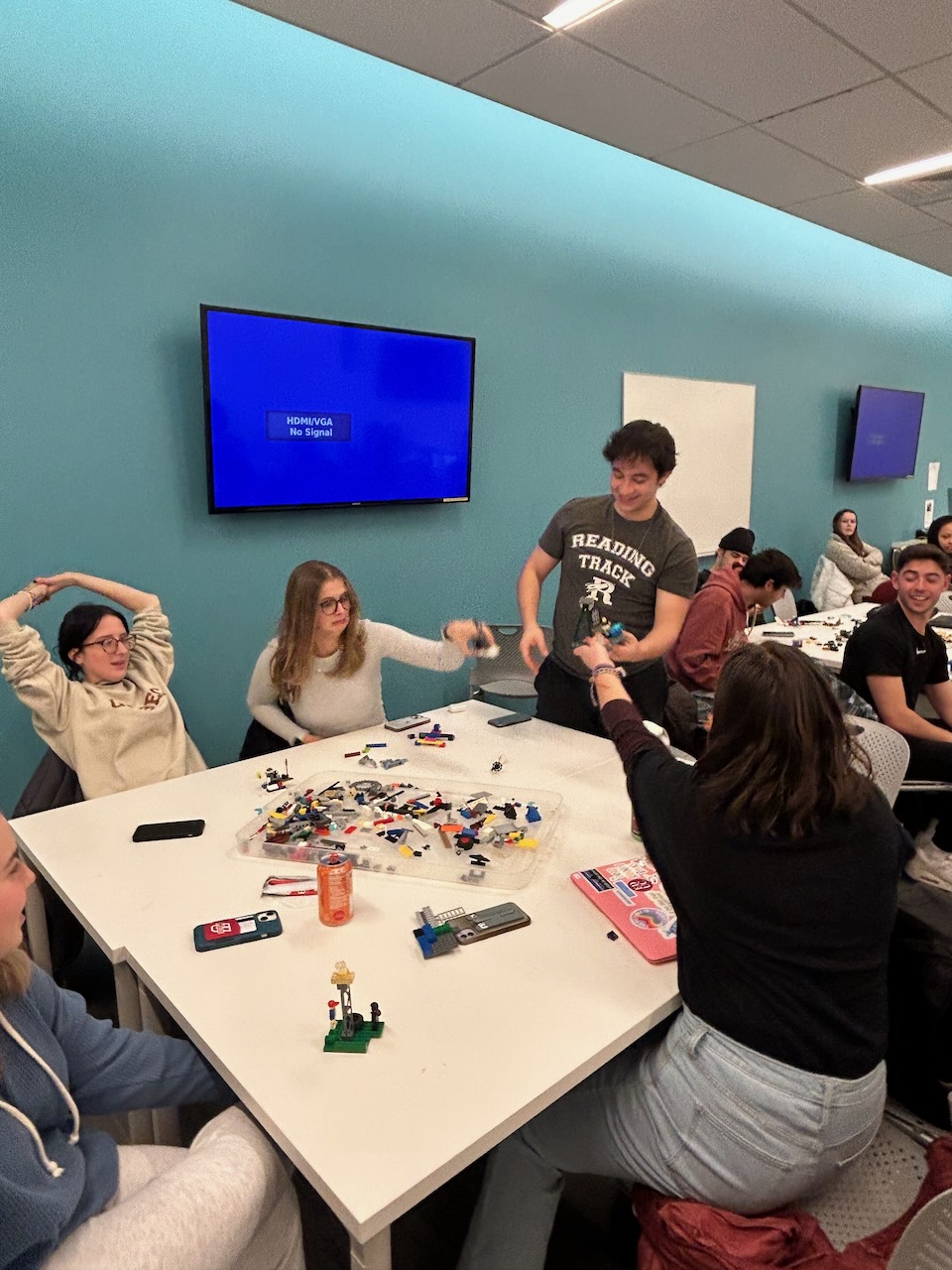
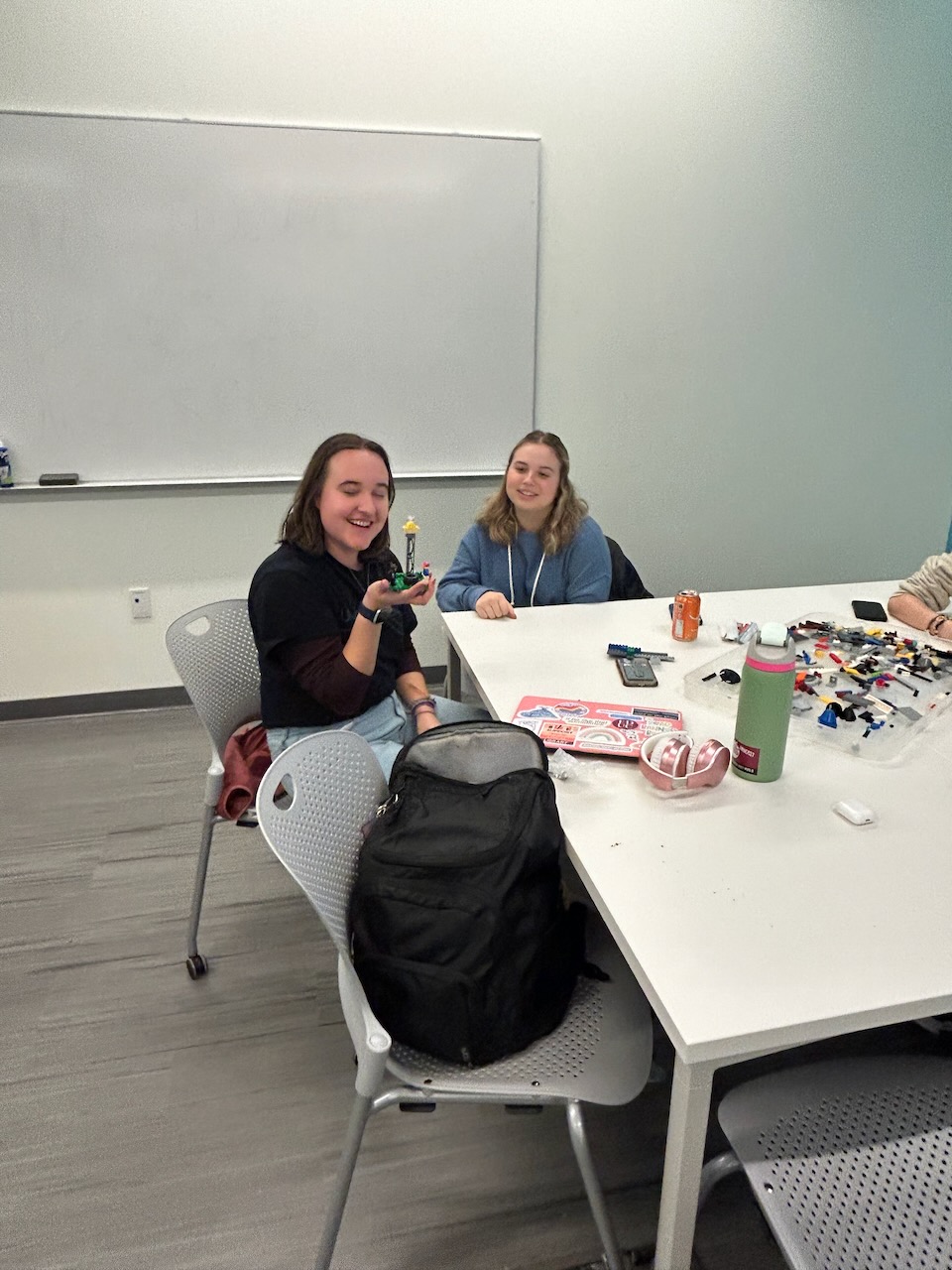
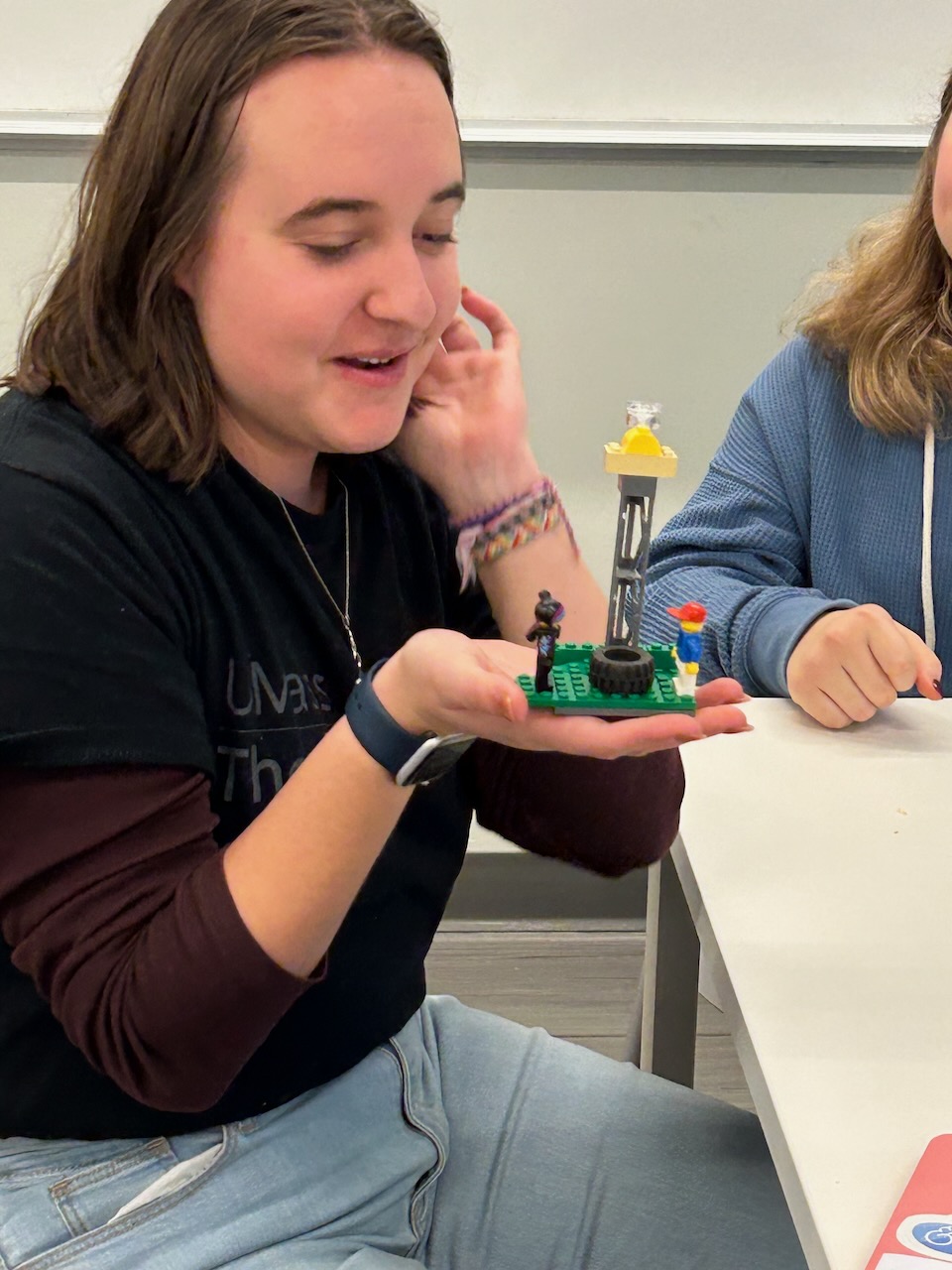
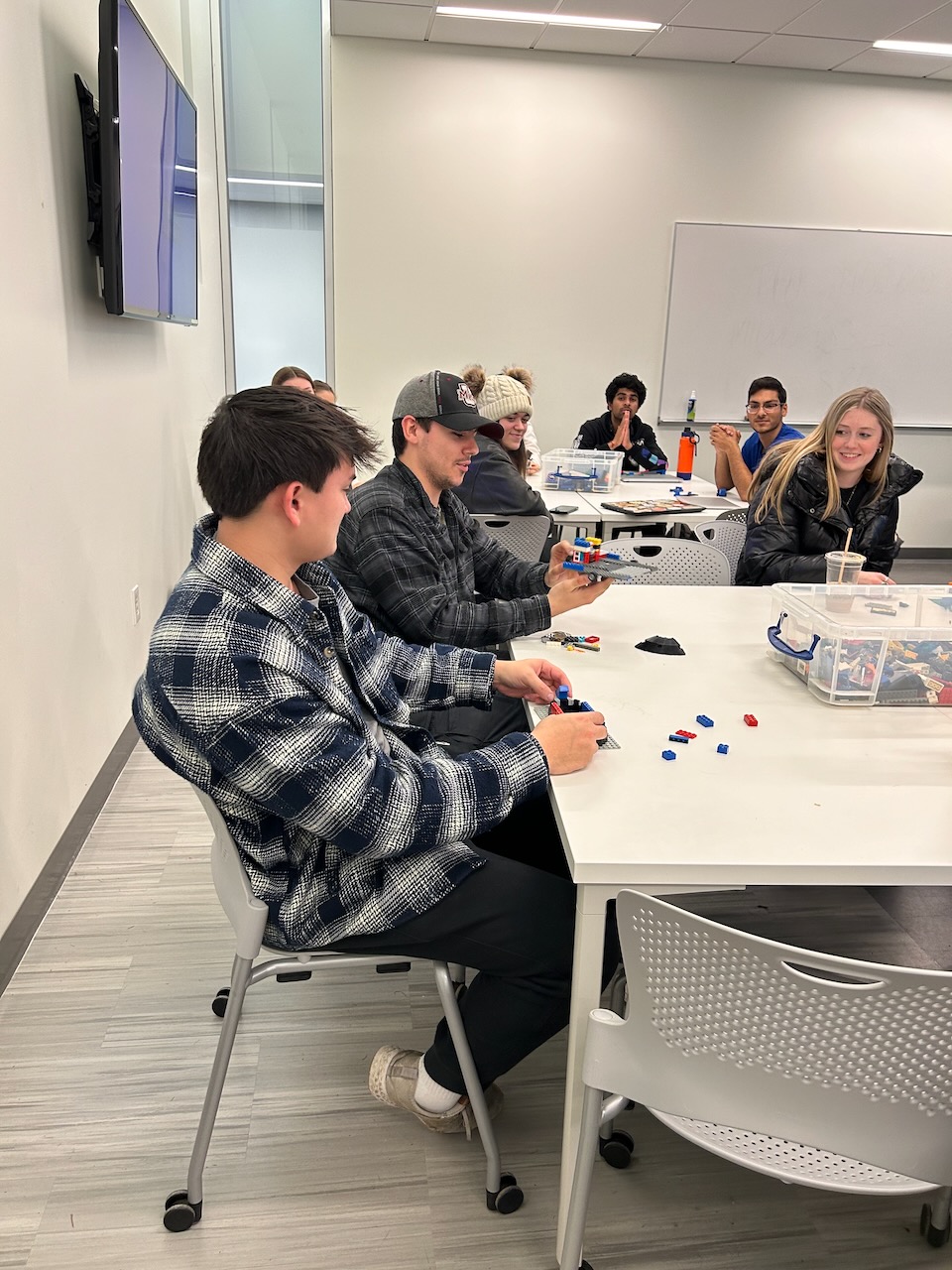
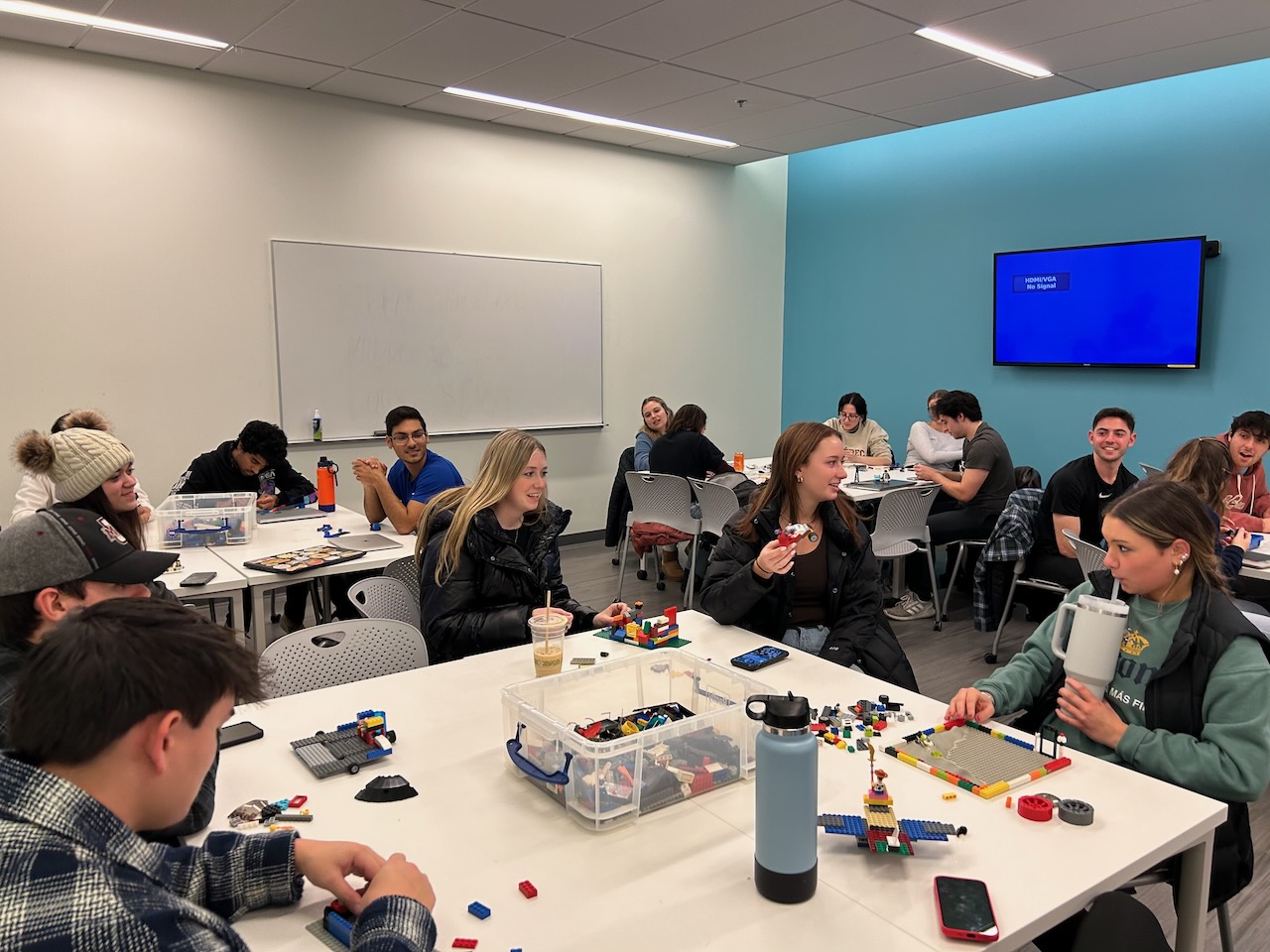
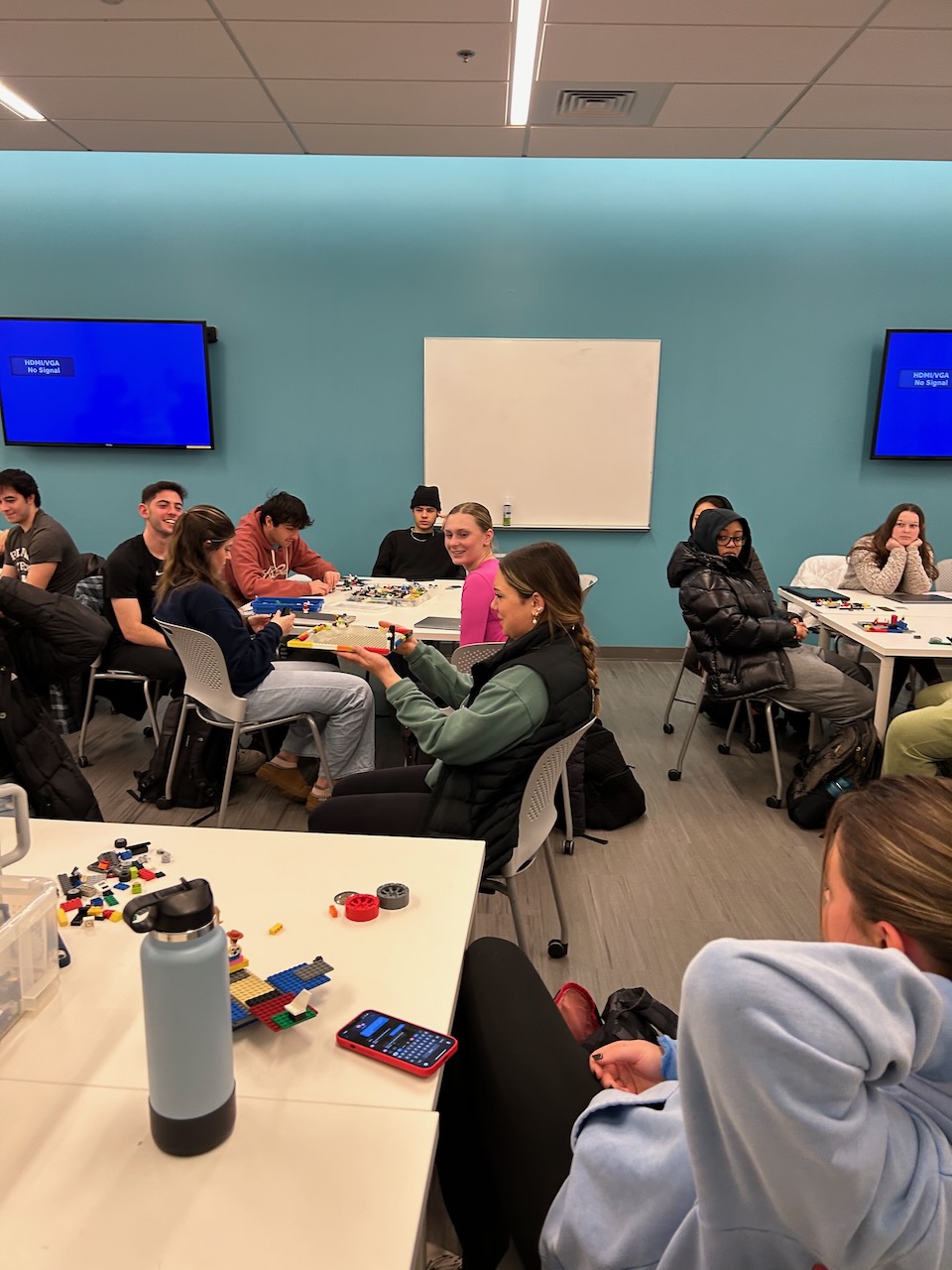
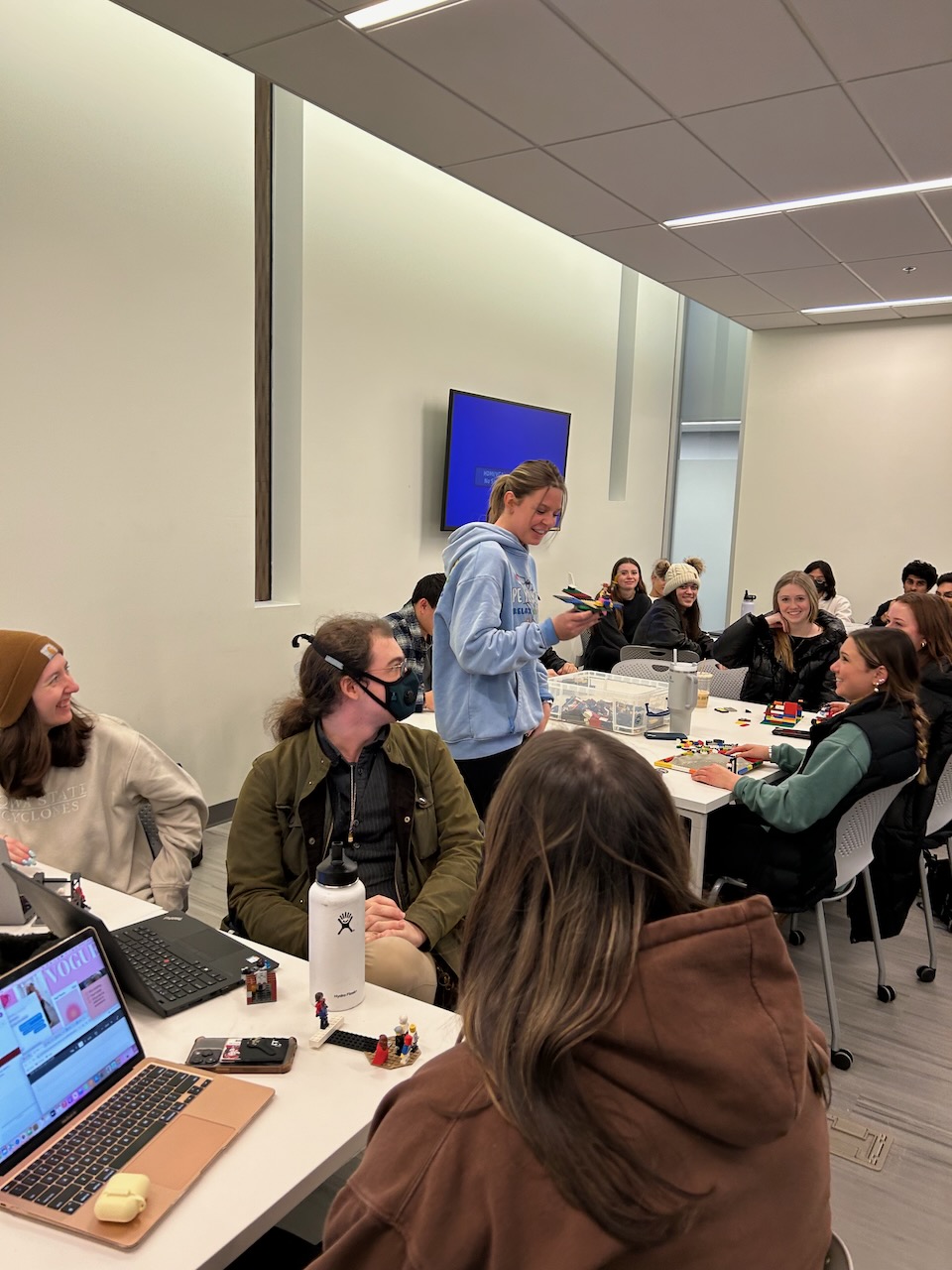
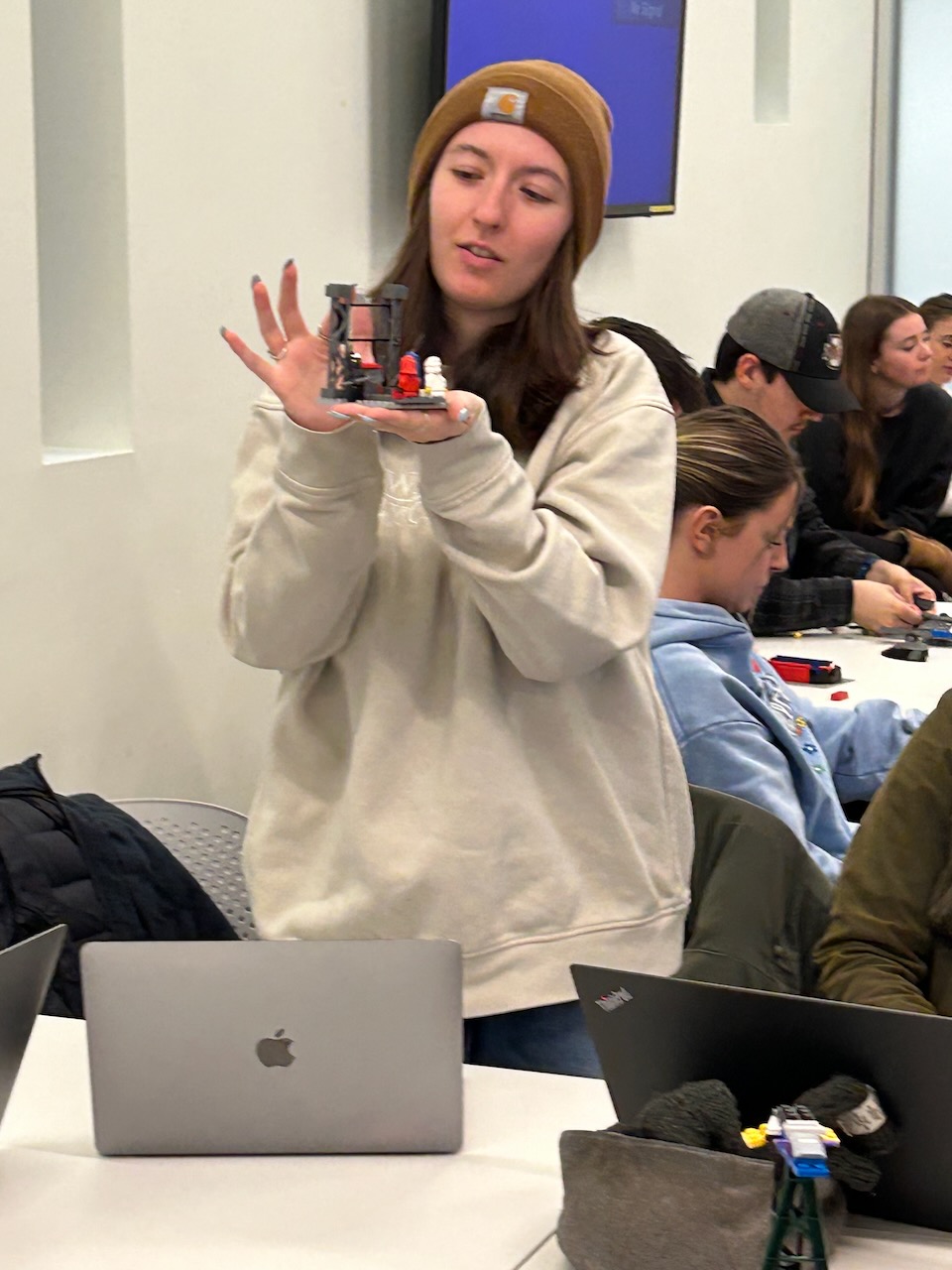
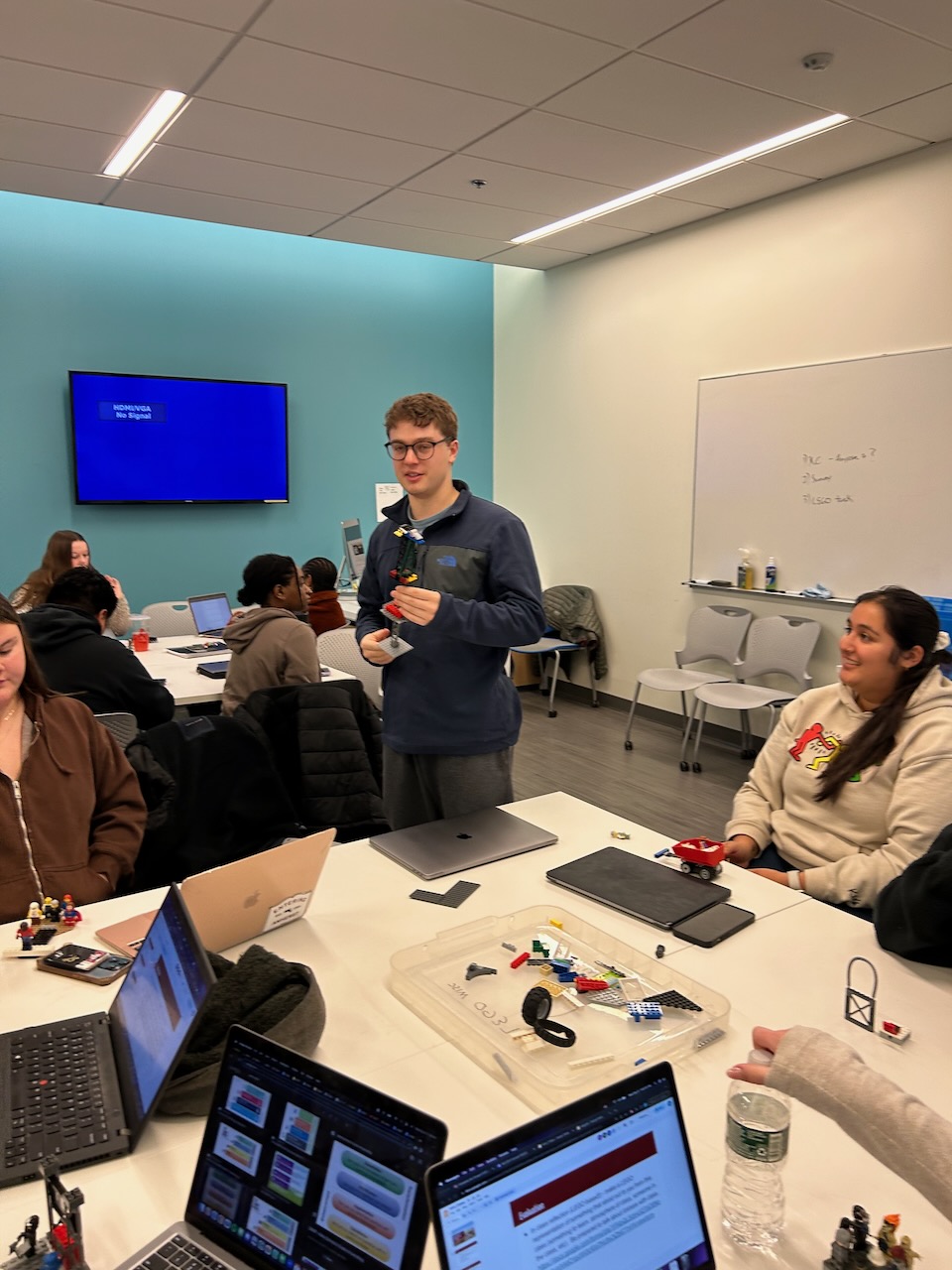
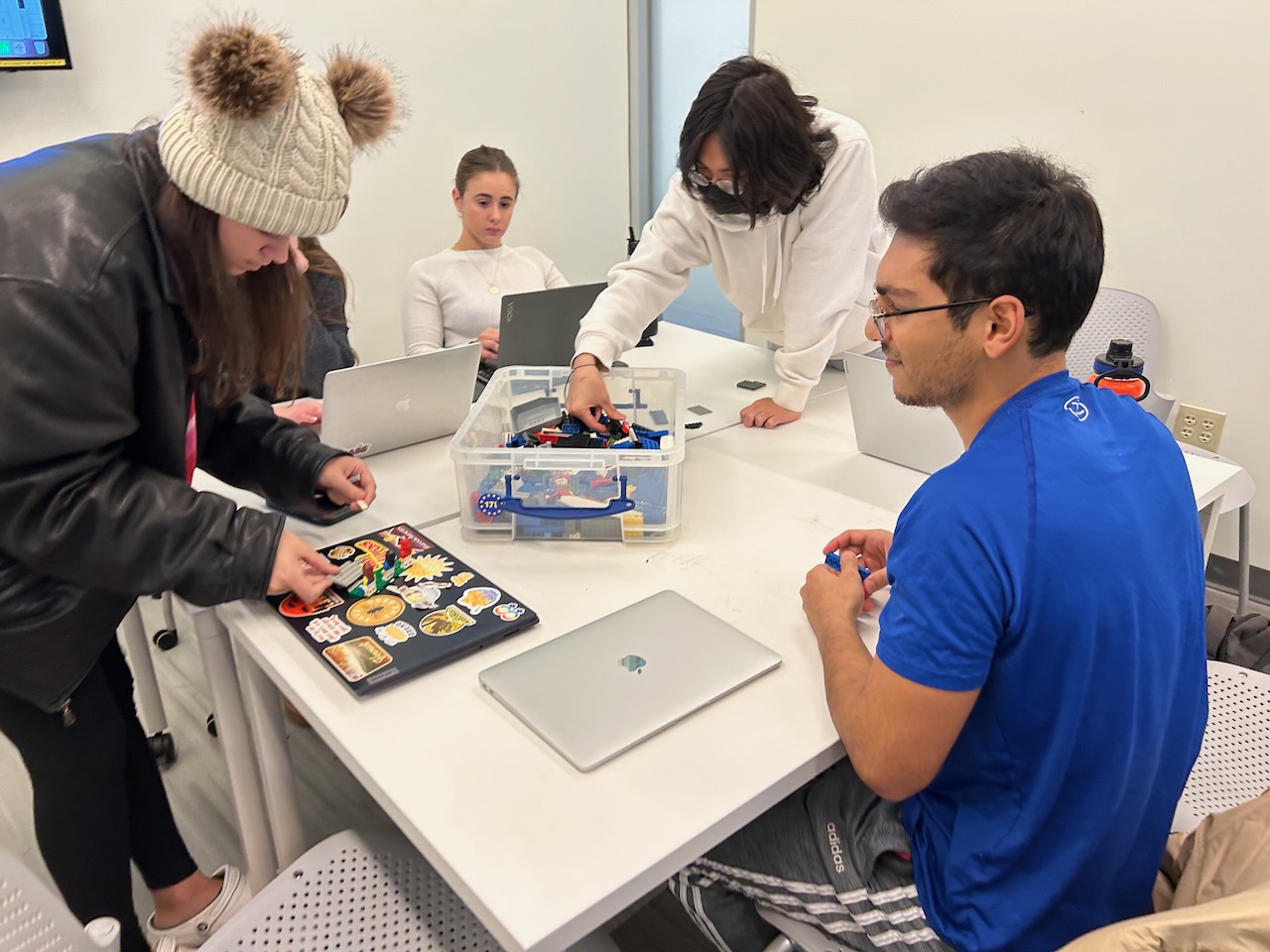
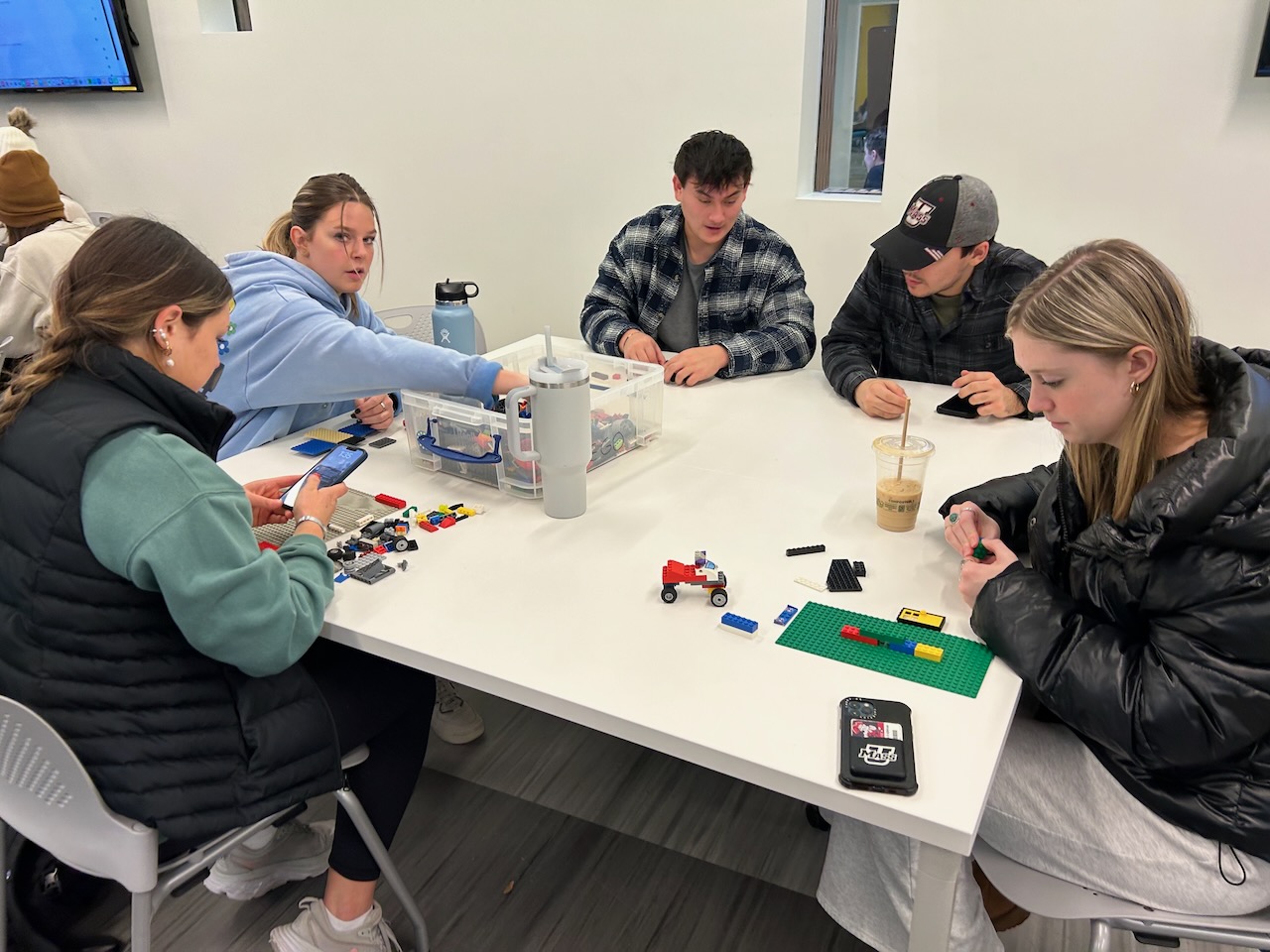
I feel like I sufficiently showed my engagement in every class because I was always focused during the lecture portions of class and participated in the activities assigned. One of my favorite activities was the lego activity we did on the last day of class. It was a fun way to reflect on some of our favorite material or our favorite parts of the class. I also enjoyed some of the videos we watched in class showing student work related to digital tools. It was cool to see some of the things we’ve been learning in class put into action.
Yes I attended every class. Class was always very informative and interactive, so it would be a hard one to skip even without an attendance policy.
The interactive nature was something my other classes don’t have and it improved my learning to great extents.
My approach to learning is different now than it was at the beginning of the semester. I always thought I performed best in classes that require straight memorization where I can just read a textbook and answer exam questions or an essay prompt straight from the material. Now being in this class with such an interactive and applied knowledge feel, that has changed. Being able to receive constant feedback from my classmates and the professor have made learning easier. In addition to this, the applied knowledge we use in the projects for this class has enhanced my learning in ways much more than just a basic understanding of the material.
I showcased engagement in every class well above than I do in any other class. Though I’m not the first person to be raising their hand to participate because I am shy of public speaking, the format of this class being heavy on group work and classmate interaction has made it easy to engage with others regarding the content of this class. My peers and I were constantly asking and answering each other’s questions regardless if we were working together or not and really helped each other fully understand the course content and assignments. Additionally, I found the activities and projects of this class to be engaging. The hands-on nature of most assignments were not only interesting, but also beneficial to my learning.
The environment of this class was very positive and fun. It made it very easy to contribute and feel comfortable to spread my ideas.
I truly really enjoyed this class and it was one where I found myself with true genuine interest and I most notably saw that when I was outside of class thinking about the important content in my free time and telling other people about it.
I believe I did. I enjoyed being in class, so I made sure to show active listening not only to my professor but my peers as well. I helped with confusion about some topics and sought out help when I needed it too. Building a good classroom environment is always helpful for me. When I can openly communicate with peers and the professor, I believe the course is good.
The nice sense of community in this class also continued outside of the classroom because someone who was not even at my table, Joey, and I would also discuss the content showing our genuine interest. With a class surrounding so much collaboration, I felt I was able to be an attentive listener and supportive to others which made me thoroughly enjoy being a part of this community.
I would say my approach to teaching and/or learning is different now. After this class, it provided a more engaging, fun way to learn. It was never “by the textbook” type learning. Through personal and collective exploration of the objectives, it helped me build my learning at my own pace. There were multiple modes of learning that were presented to us. I liked this because it helped me realize that there is no one right way to learn something!
My approach to teaching is also different because the way this class approached group projects was very well done. I have been in other classes where group projects are painful but I really enjoyed and saw the benefit in them this semester. This would push me as a teacher to encourage group projects and set a good precedent for how they should be utilized.
Yes, I did share what I was learning in this class with others. One of my friend’s’ moms is a teacher and I shared about this class and how I enjoy it. She decided to look over some of the apps and incorporate them into her classroom. I found a lot of enjoyment in this class so I decided to share with her in hopes that she enjoyed it and found it very beneficial. Additionally, I used a couple of the platforms we learned about and used them in other classes.
I really enjoyed this class and I feel like I will remember a lot of it both because it was educational and fun.
My projects were not always complete the first time. However, I learned from my mistakes and feedback to revise my projects, as well as to learn what I can incorporate on the next project.
I would say my approach to teaching and/or learning is different now. After this class, it provided a more engaging, fun way to learn. It was never “by the textbook” type learning. Through personal and collective exploration of the objectives, it helped me build my learning at my own pace. There were multiple modes of learning that were presented to us. I liked this because it helped me realize that there is no one right way to learn something!
I actively contributed to my peers’ learning experiences throughout our group projects and activities. I particularly enjoyed when we would all contribute to each other’s learning with the group project. This was more interesting than the typical class because I felt many people at my table had different backgrounds and interests. Many were IT minors with different majors and also many from different countries. Therefore, the way we all went about projects and research was different which made it a cool process to combine all our thoughts. I also feel that I was one of the group members that made sure to check in with everybody which made it feel like there was mutual support all around.
Overall, I think this class teaches a lot about how to upgrade a teacher’s lessons from boring powerpoints and worksheets to other more fun and interactive ways to learn.
Yes I do think my learning experience has expanded. First, I now see group work much differently. I had horrible experiences in the past, and this year I had great hard working peers. This has made me appreciate social engagement much more. Additionally, I learned that there are wayyy more resources than I thought out there for me. I never thought that reaching out to people who are in the same path as you can be so meaningful. I think futuristically I will be sure to focus on expanding my social bubble in my academic career.
I thought this was a fun class so I enjoyed participating and putting in effort.
I thoroughly enjoyed this class and all the effort I had to put into it to succeed.
I liked how the class was mainly based on using our peers in and out of the class to effectively teach and learn the course info. By doing so many activities and projects where we needed real data, it helped me to physically teach and in such expand my knowledge to others that may not understand what I was originally talking about.
This was one of my favorite classes that I have taken in my 4 years at UMass, which transpired into the effort that I put into this class. My high interest in this class really pushed me to put my best effort in this class.
Yes, I think so. I felt like we had a pretty engaged and welcoming classroom community which was nice. It was good to get to know people a little bit with some of the ice breaker activities we did around the room at the beginning of the year, and it seemed like people enjoyed being in the space with the class. I feel like my table got pretty comfortable with each other by the end of the year, and it was really cool seeing people open up and get to know each other. I think the LEGO activity at the end of the year was a nice cap to this, where everybody could relax a little while still engaging with the course, and we could see a little of everyone’s creativity.
I think I will absolutely remember the methods of teaching that were employed. I had a great experience as a student in this course. I think it is so interesting how the tools we discussed in the course were actually used by us in the class so that we could perceive them from both the student and teacher points’ of view. If I want my students to feel as engaged in this course as I did, I will have to employ similar tactics of getting them to participate with each other and me. I think I’ll just definitely remember the fact that I feel as though I have learned so much in this course, as opposed to merely going through the actions of schooling.